DAIRY WON IN COURT. BUT ITS STILL LOSING THE KITCHEN TABLE
The Supreme Court told Oatly it can’t use the word “milk.” Good. But a legal victory means nothing if the industry can’t answer a harder question: why are fewer people drinking it?
The Dairy Mail | Opinion | Steve Moncrieff, Dairy Connect
On 11 February 2026, the UK Supreme Court handed the dairy sector a unanimous victory. Five justices ruled that Oatly’s “Post Milk Generation” trademark is invalid for use on oat-based food and drink in Britain. The word milk, the court confirmed, belongs to dairy. It means the normal mammary secretion of milking animals, as defined by the Codex Alimentarius and protected under assimilated EU regulation. Not oats. Not almonds. Not rice.
The ruling ends a legal journey that started in 2019, wound through the Intellectual Property Office, the High Court, and the Court of Appeal, before arriving at the highest court in the land. Lords Hamblen and Burrows, writing for the unanimous bench, found that Oatly’s slogan was “oblique and obscure” - it described a generation of consumers, not a characteristic of the product. It did not clearly state whether the product was milk-free or merely low in milk. That ambiguity was enough to kill the trademark.
Dairy UK’s chief executive, Dr Judith Bryans, called it a ruling that “helps ensure long-established dairy terms continue to carry clear meaning for consumers.” Oatly’s Bryan Carroll called it a mechanism to “stifle competition” that “solely benefits Big Dairy.”
Both are right. And both are missing the bigger picture.
The Word Is Protected. The Habit Is Not.
Here is the number that should keep every dairy leader awake at night: UK per capita milk consumption has fallen roughly 50% since 1974. In that year, the average Briton drank 2.7 litres a week. Today that figure sits around 1.2 litres. The most recent AHDB data, published in mid-2025, shows in-home cow’s milk occasions fell 3.6% year-on-year. Plant-based alternatives dropped 1.0% over the same period. The entire liquid milk category is contracting - and that has very little to do with what Oatly puts on its packaging.
The decline is structural, and it is driven by habit change, not brand warfare. Younger Britons are drinking less tea - the single biggest domestic occasion for milk. Five years ago, 43.2% of the UK population drank tea at home. That figure is now 38%, with the drop driven by a shift towards herbal, wellness, and fruit teas consumed without milk. Breakfast cereal consumption continues to fall. Coffee culture has tilted towards espresso-based drinks served black or with smaller volumes of milk.
None of these shifts were caused by a slogan on an oat carton. They represent a deeper erosion of the daily rituals that once made milk automatic.
As we wrote in The Dairy Mail in January: “Milk has not been rejected. It has been forgotten.” The Supreme Court ruling does nothing to reverse that forgetting. It protects a word. It does not rebuild a habit.
What Oatly Understood That Dairy Still Hasn’t
There is a reason Oatly fought this case through four courts over seven years. It was not about the word milk. It was about the cultural territory that word occupies.
Oatly did not grow from a niche Swedish brand into a global business by making a product that was nutritionally superior to cow’s milk. It is not. Mintel’s 2025 UK data shows 79% of consumers agree that standard cow’s milk is a good choice when avoiding ultra-processed foods, and 61% agree its protein quality is superior to plant-based alternatives. Cow’s milk remains one of the most complete, natural, and affordable sources of calcium, protein, and vitamin D available in the British diet.
Oatly won market share because it was culturally literate. It spoke to identity, lifestyle, and values in language that resonated with consumers under 45. It positioned itself not as a milk substitute but as a statement about who you are and what you care about.
Dairy, meanwhile, responded with nutritional fact sheets and defensive messaging. “We responded to a narrative war with footnotes,” as I put it in The Dairy Mail. “That was never going to work.”
The lesson is uncomfortable but essential: you do not lose ground in a consumer market because your competitor’s product is better. You lose ground because their story is better. And for the best part of a decade, the plant-based sector told a more compelling story than dairy did.
The Protein Paradox: Dairy’s Biggest Opportunity Is Hiding in Plain Sight
Here is the irony that should frustrate and energise the dairy industry in equal measure. The fastest-growing dietary trend in the UK right now - the obsession with protein - is a trend that dairy should own. And in some categories, it is starting to.
The numbers are striking. Nearly half of UK adults have increased their protein intake in the past year. Among 16–34-year-olds, that figure rises to two-thirds. More than 50% of Gen Z consumers report following a high-protein diet, according to SPINS data. And 71% of Gen Z actively seek protein-rich meals at breakfast alone. This is not a niche fitness trend any longer. It has gone mainstream, driven by social media, growing health literacy, and a generation that views food not as indulgence but as infrastructure for performance, recovery, and long-term wellbeing.
The category response has been uneven - but where dairy has leaned in, the results are remarkable. Cottage cheese, once dismissed as a relic of 1980s dieting, has surged back, with year-on-year increases of 26.2% in value and 29.4% in volume according to Nielsen data to March 2025. The driver is not nostalgia. It is TikTok, meal-prep culture, and a generation that discovered cottage cheese delivers 10.6g of protein per 100g in its reduced-fat form - cleanly, cheaply, and without the ingredient list of a processed protein bar.
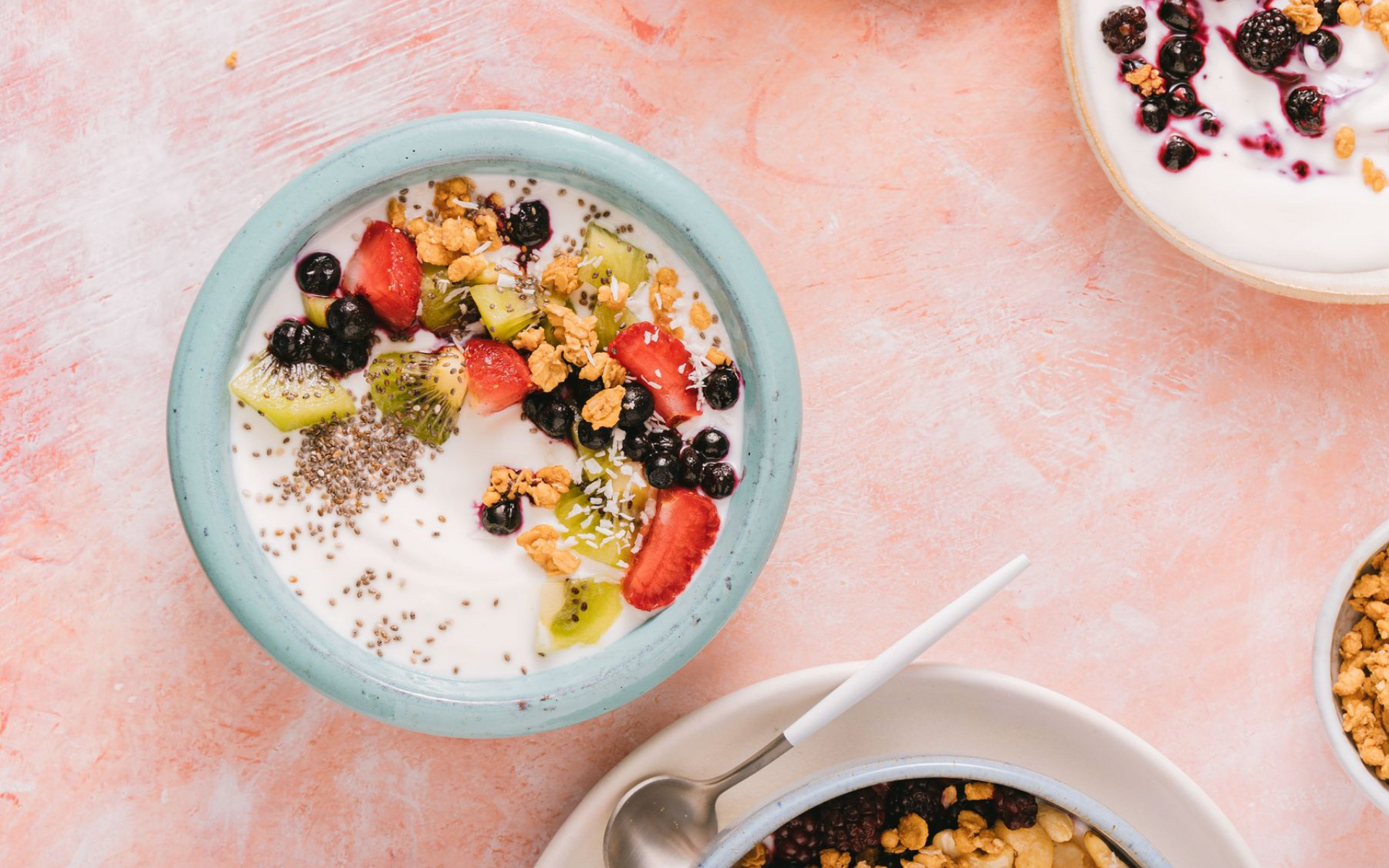
Yogurt is on a similar trajectory. Cow’s yogurt saw a year-on-year value increase of 7.9% in 2024, with Greek yogurt demand up 56% according to Ocado’s own search data. Kefir, still a smaller segment, has grown 37.1% in value and 34.7% in volume. These are not marginal shifts. They represent a generation choosing dairy - where dairy positions itself around what they care about: protein density, gut health, naturalness, and minimal processing.
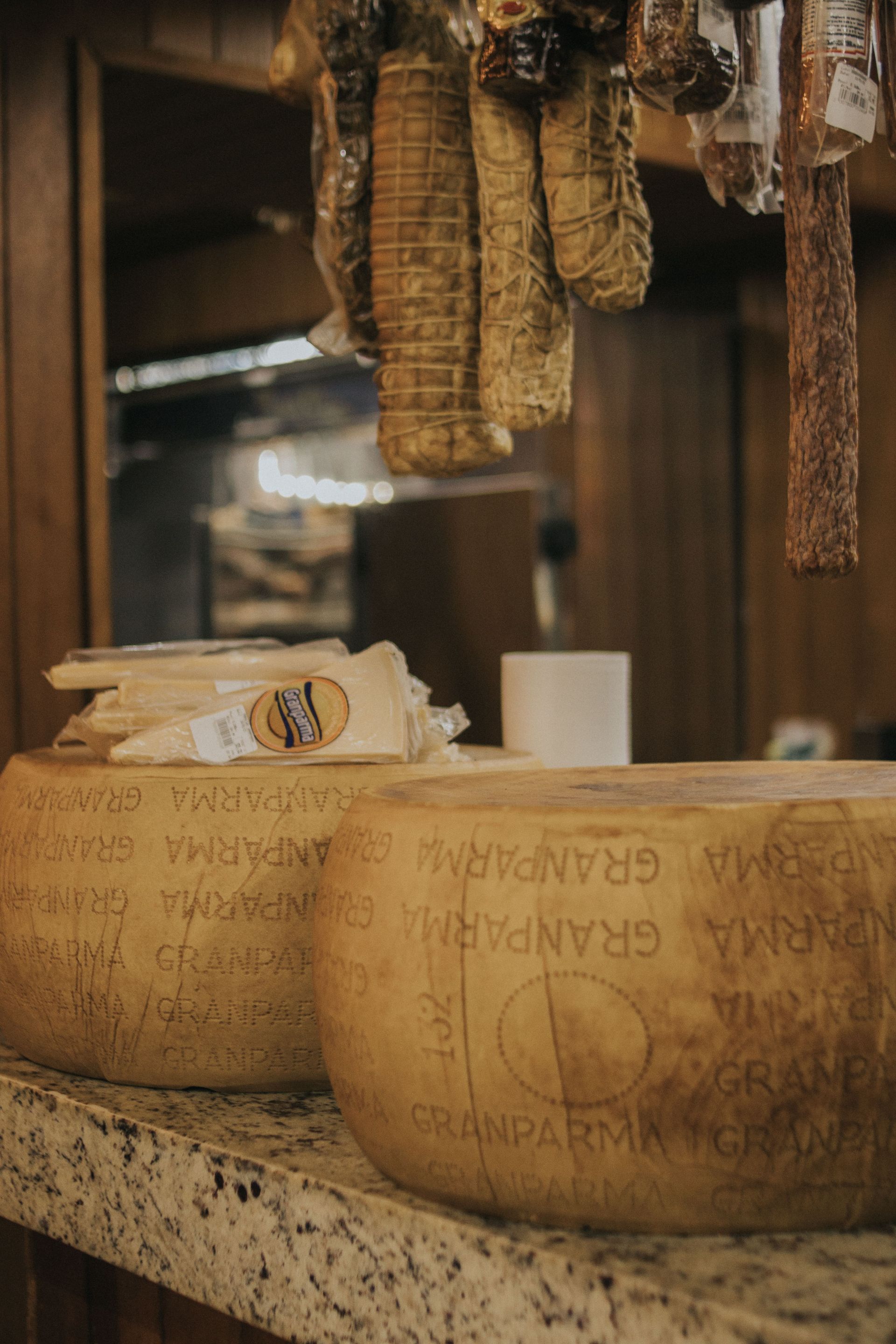
Cheese, too, is aligning with the trend. UK cheese consumption has risen 20% in per capita terms since 2015, even as liquid milk has declined 19% over the same period. High-protein cheddar variants, dehydrated cheese snacks, and protein-forward cheese bars from brands like Eatlean and Saputo are turning cheese from an accompaniment into a standalone functional snack. The AHDB reports that cheese now accounts for 34% of total UK milk utilisation, up from 28% in 2015.
Perhaps the most instructive example of where liquid milk can go, however, comes from a relatively new entrant. SuperNutrio, made by St. Helen’s Farm, has done something deceptively simple and strategically smart: it has repositioned cow’s milk as a performance product. The concept is straightforward — two litres of fresh cow’s milk, filtered to concentrate the naturally occurring protein and calcium into one litre. The result is double the protein (70g per litre) and 80% more calcium than standard milk, with nothing added. No powders, no gums, no stabilisers. Just milk, concentrated.
What makes SuperNutrio notable is not the filtration technology alone, it's the narrative. The brand speaks directly to the audiences that the liquid milk category has been haemorrhaging: fitness-conscious consumers, young families, runners, athletes, and the protein-seeking Gen Z cohort that gets half its nutritional inspiration from Instagram and TikTok. It sponsors Joe Hart’s Mind Over Everything podcast. It partners with GB athletes. It shows up at the National Running Show. It uses language that belongs to the gym, the kitchen, and the school run - not to a trade association conference room.
In short, SuperNutrio is doing what this article argues the broader industry must do: it is giving people a reason to choose milk that speaks to how they actually live, not to how the industry wishes they still did. It is proof that liquid milk does not have to accept structural decline. It has to earn its place back on the table by meeting consumers where they are - and right now, they are looking for protein, naturalness, and authenticity.
The Danger of a Victory Lap
The risk now is that the dairy sector treats Wednesday’s ruling as vindication and moves on. That would be a serious mistake.
Legal protection of terminology is necessary. It matters that consumers understand what they are buying. The distinction between a product that comes from a cow and a product manufactured from oats, water, enzymes, and added vitamins is a real and meaningful one. The court was right to enforce it.
But terminology protection is a defensive measure. It prevents someone else from borrowing your word. It does nothing to make people want what that word describes. And right now, the data says fewer people want it with each passing year.
The paradox is glaring. Consumers are paying premium prices for protein bars, recovery drinks, fortified waters, and functional beverages that promise hydration, satiety, muscle repair, and mental focus - benefits that milk already delivers, naturally, from a single ingredient. The functional nutrition market is booming. Dairy products like yogurt, cheese, and high-protein milk are demonstrably aligned with the trend. Yet the broader liquid milk category continues to shrink because it has failed to tell that story loudly enough, consistently enough, and in the right places.
That is not a problem Oatly created. That is a leadership vacuum the dairy industry allowed.
What Needs to Happen Now
The Supreme Court has given dairy a clean legal framework. The word is protected. The category is defined. There is no ambiguity about what milk is and what it is not. That clarity is valuable. But it is only valuable if the industry uses it as a platform for action, not as a reason for complacency.
Three things need to happen.
First, dairy must reclaim the cultural conversation - and the protein story is the way in. Not through defensive lobbying or technical arguments about nutrient density, but through storytelling that connects dairy’s authentic qualities to how people actually live. The success of cottage cheese, Greek yogurt, kefir, and brands like SuperNutrio demonstrates that when dairy speaks the language of modern health and performance, consumers respond. The industry needs to do this at category level, not just brand by brand. Health, fitness, everyday performance, provenance, simplicity - these are not niche selling points. They are mainstream consumer priorities. Dairy must speak to them in language people recognise, not in the language of trade associations.
Second, the sector needs collective ambition. As The Dairy Mail has argued, fragmentation has diluted dairy’s voice. Individual brands competing for marginal share gains cannot rebuild category relevance on their own. A coordinated, modern “Drink Milk” campaign - not a nostalgic revival, but a strategic repositioning anchored in protein, naturalness, and real-food credentials - is overdue. The “Got Milk?” and “Int Milk Brilliant” campaigns worked because they gave the whole category a platform. The industry needs that kind of shared leadership again.
Third, this must be measured commercially, not sentimentally. If any campaign does not drive frequency, penetration, and habit formation, particularly among under-30s, it will have failed, regardless of how well it is liked. The metric is not awareness. It is whether someone under 30 reaches for a glass of milk tomorrow morning who would not have done so today.
Words Matter. Actions Matter More.
Wednesday’s ruling confirmed that milk means what it has always meant: the product of a cow, a goat, a sheep, or a buffalo. Not a grain processed in a factory. That distinction is worth defending, and the Supreme Court was right to defend it.
But if the dairy industry treats this as the end of a fight rather than the beginning of a different one, it will have won a word and lost a generation.
The protein trend is handing dairy an open goal. Gen Z is not anti-milk. They are pro-protein, pro-naturalness, and pro-function. They are already choosing yogurt, cottage cheese, and kefir in growing numbers. The question is whether the industry can extend that momentum into liquid milk, and whether it can do so with the confidence, creativity, and cultural literacy that the moment demands.
The real threat to milk was never a Swedish oat company with a clever slogan. It was drift. Quiet, incremental, almost invisible decline in the daily habits that once made milk indispensable. That drift has been happening for 50 years, and a court ruling will not reverse it.
Only the industry can do that. And the clock is running.
Where DAIRY CONNECT Stands
This is why Dairy Connect exists. Not to observe the decline from the sidelines, but to do something about it.
Through The Dairy Mail, we are building the editorial platform the industry needs - one that challenges complacency, champions innovation, and holds the sector accountable to its own potential. Through the International Cheese & Dairy Awards and EXPO, we are creating the commercial and competitive infrastructure that connects producers, buyers, innovators, and retailers across the global dairy value chain. Through our industry intelligence and advocacy work, we are equipping leaders with the insight and evidence they need to make better strategic decisions.
Our mission is straightforward: to unify the dairy and cheese supply chain by delivering insight, education, and advocacy that elevate standards and broaden opportunity. That means convening the conversations that matter. It means celebrating excellence through awards programmes that carry genuine commercial weight. And it means building platforms, digital and physical, that give the industry a collective voice strong enough to reclaim the cultural ground it has ceded.
The Supreme Court ruling has given dairy a legal foundation. The protein trend is giving it a commercial opportunity. What the industry still lacks is collective ambition and coordinated leadership.
Dairy Connect is here to help provide both. If you are a producer, processor, retailer, or investor who believes this industry’s best days are ahead of it — not behind it — we want to hear from you.
Join the conversation. Connect with us at dairy-connect.com and through The Dairy Mail. Follow our coverage of the ICDA Awards and EXPO programme as we build the platform this industry deserves. And if this article resonated, share it. Challenge it. Add to it. The discussion starts here - but it cannot stay here.
Steve Moncrieff is Founder and Managing Director of Dairy Connect and publisher of The Dairy Mail.
This article continues the themes explored in Milk Didn’t Fail. The Industry Lost Its Voice (January 2026) and ‘Int Milk Brilliant’ — and still today (June 2025), first published in The Dairy Mail.
More news and insight