

Gold top milk tik

THE RETURN OF FAT: HOW JERSEY MILK SIGNALS A STRUCTURAL SHIFT IN DAIRY DEMAND

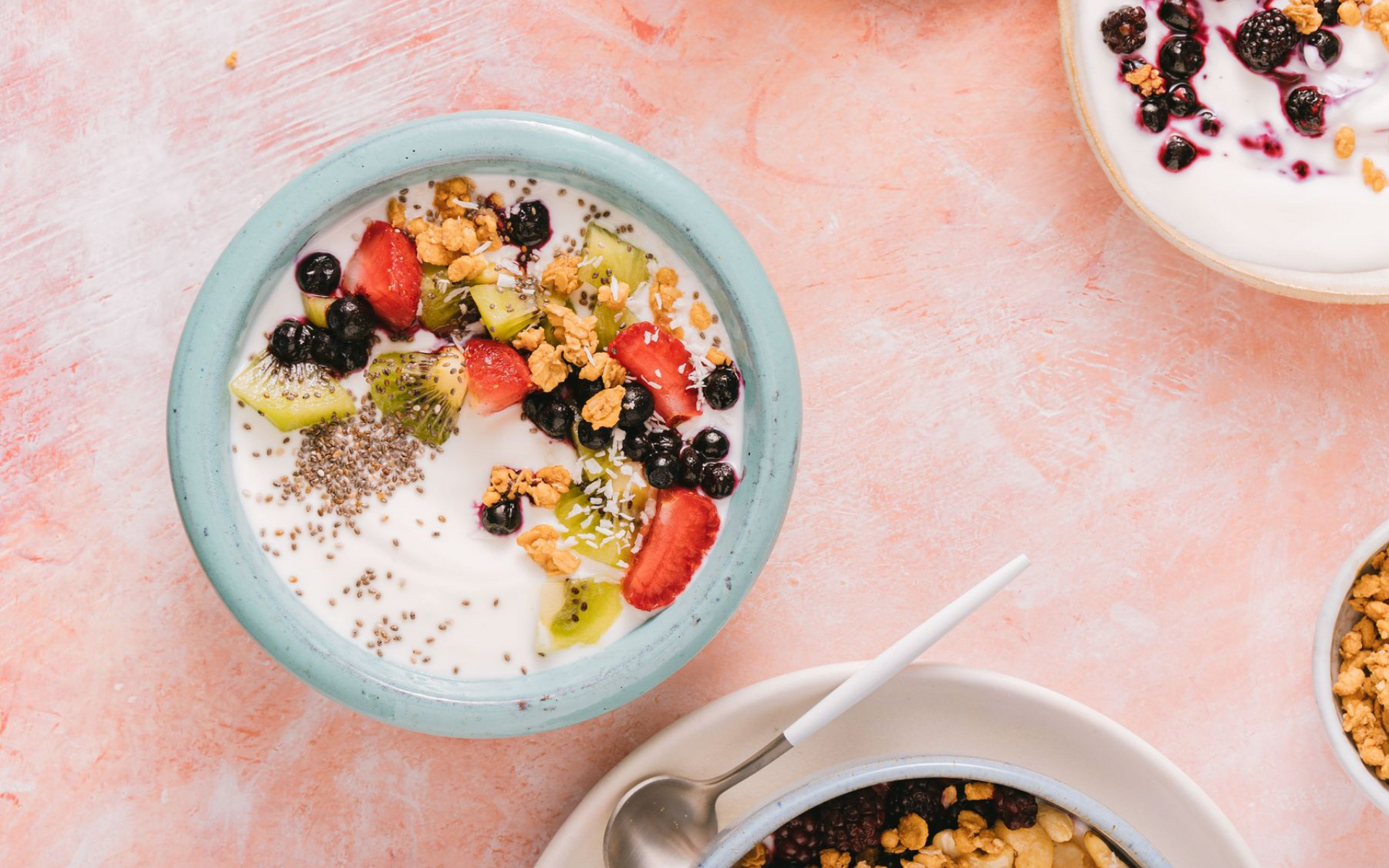
A new generation of health-led consumers, amplified by social media and shifting nutrition science, is quietly reshaping value, perception and pricing power across the dairy category


By Steve Moncrieff March 17, 2026
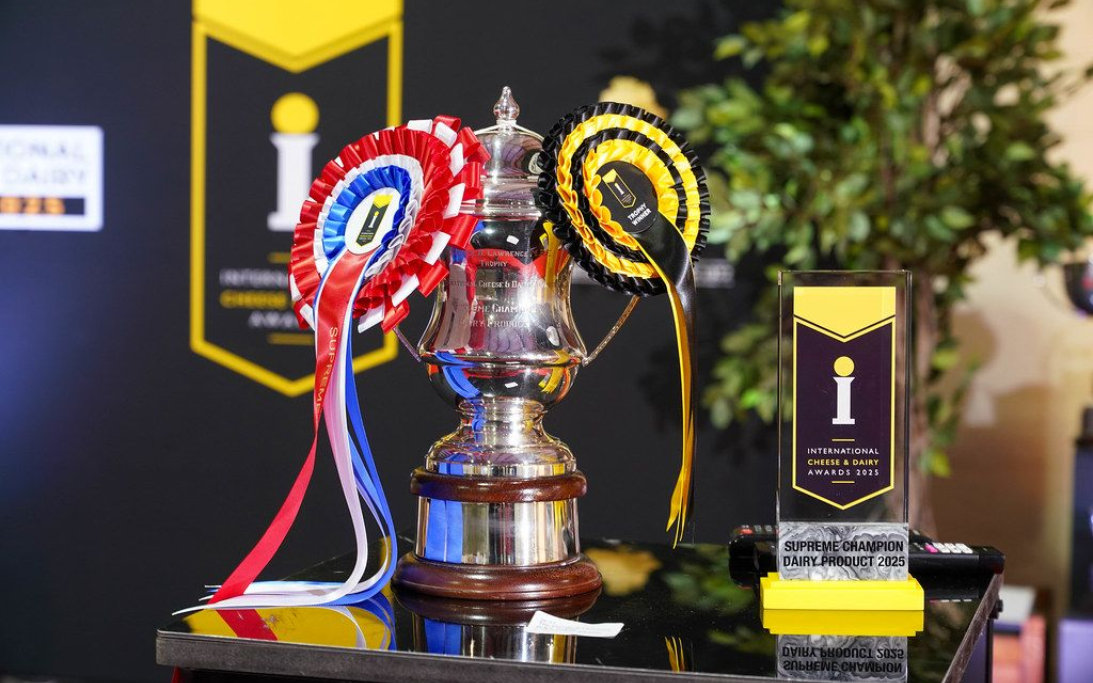
Entries are now open for the International Cheese and Dairy Awards 2026, with producers from across the UK and overseas invited to submit products for what remains one of the most respected quality benchmarks in the global dairy industry. The competition, which has operated for more than a century, assesses cheeses and dairy products through blind judging panels drawn from across the industry - technical specialists, graders, cheesemakers, retailers and buyers. Products are evaluated on flavour, texture, aroma, presentation and technical merit, with no brand influence on the outcome. Gold, Silver and Bronze medals are awarded across each class, with the highest-performing Gold winners progressing to compete for the competition's top honours. This year's schedule encompasses the full breadth of modern dairy production. Traditional classes covering farmhouse cheeses, bandaged and territorial Cheddars, and international speciality styles from France, Italy, Spain, the Netherlands, Switzerland and the United States sit alongside an expanded range of categories reflecting where the sector is heading. Dedicated sections cover functional dairy products, high-protein snacks and performance nutrition, as well as classes for butter, cream, yoghurt, milk and ice cream. The programme also includes awards for packaging design, export achievement and new product development, and a relaunched foodservice section assessing dairy products on their performance in professional kitchen conditions. A dedicated platform remains in place for specialist and artisan cheesemakers - producers manufacturing at small scale whose work continues to shape how consumers and buyers understand quality and provenance in dairy. For producers considering entry, the commercial case is straightforward. Retail buyers and export distributors monitor ICDA results closely. For smaller producers in particular, recognition from an internationally credible judging panel can open conversations with buyers that would otherwise require considerably more groundwork. Judging will take place on 24 June 2026 at Bingley Hall, Stafford. Results will be announced the following day as part of the Dairy Connect themed International Cheese and Dairy EXPO. Entry deadlines: Overseas producers — 6 May 2026 UK producers — 29 May 2026 Entry information and the full class schedule are available at https://www.internationalcheesedairyexpo.com/icda-awards .
Sports nutrition
By Steve Moncrieff March 17, 2026
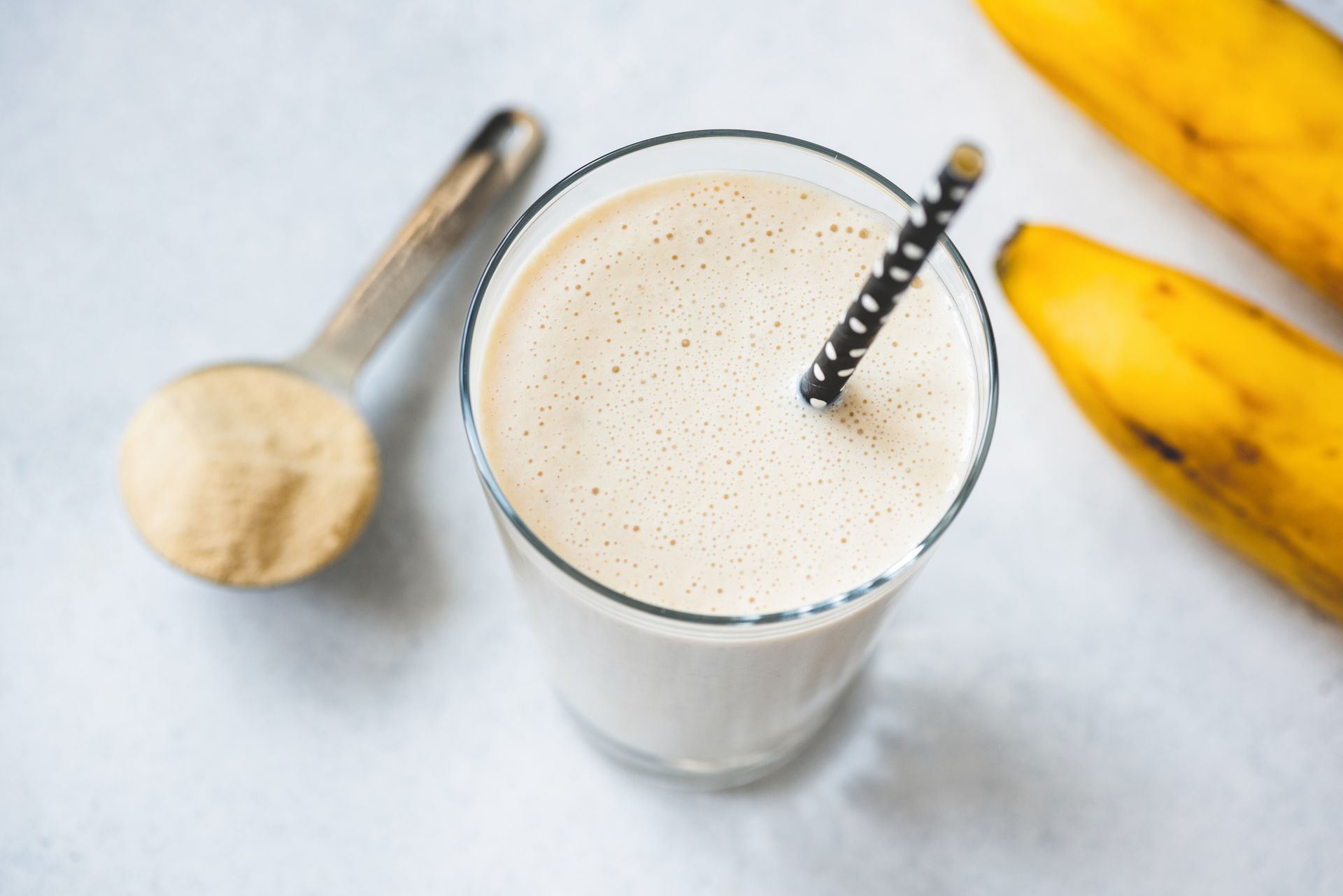
The International Cheese and Dairy Awards has been running for over a century. In that time it has judged farmhouse Cheddars, washed-rind territorial cheeses and artisan blues - the accumulated craft of British and international dairy production measured against panels of graders, retailers and technical specialists. This year, for the first time, it will also judge high-protein yoghurts formulated for muscle recovery and fermented dairy drinks designed to support gut health. That addition deserves more scrutiny than it will probably receive. The decision to create dedicated judging classes for performance nutrition and functional dairy products is not an administrative footnote. It is a statement about where the commercial weight of the dairy category is shifting. Dairy's protein credentials are not in dispute among nutritionists. Whey and casein remain among the most biologically complete protein sources available, with amino acid profiles and absorption rates that synthetic and plant-derived alternatives have spent considerable research effort trying to replicate. Yet for most of the past decade, while protein became one of the dominant value drivers in packaged food — commanding shelf space, margin premiums and marketing budgets across supermarket categories — the dairy industry largely allowed others to frame the conversation. Sports nutrition brands built empires on whey isolate while mainstream dairy marketing stayed anchored in tradition, provenance and taste. The structural shift now underway is a belated correction. Retail buyers across major multiples have reported consistent volume growth in high-protein yoghurts, drinks and dairy snacks. The category has moved from gym-adjacent novelty to mainstream grocery fixture on the back of the growth of GLP-1 diets. Products delivering ten grams of protein per hundred grams are now shelf-stable expectations in convenience retail, not specialist health store offerings. The consumer has, in short, already moved. What makes the awards development significant is not the existence of these products — they have been on shelf for several years — but the formalisation of quality benchmarking within the sector's most established judging framework. By submitting functional dairy products to blind assessment panels drawn from retail, technical and culinary expertise, producers are being pushed to answer a question the category has often avoided: do these products actually taste good? That question matters more than it might appear. Functional foods have a long commercial history of failing not on efficacy but on palatability. A product that delivers its nutritional promise while tasting of little beyond protein powder is a product that generates a first purchase and no repeat. The awards' insistence on assessing flavour, formulation and sensory quality alongside nutritional composition imposes a discipline that product development teams inside dairy businesses should welcome, even if their marketing departments might find it uncomfortable. The 2026 schedule's simultaneous expansion of artisan classes — dedicated for producers making eight tonnes of cheese or less per week — might appear to pull in the opposite direction. In one sense it does. The farmhouse cheesemaker hand-turning raw milk wheels in a Somerset barn occupies a different commercial universe from the dairy processor developing a whey protein drink for a major multiple. Yet both developments reflect the same underlying dynamic: an industry that is no longer competing on a single axis. For the most part, dairy has competed primarily on price, volume and commodity reliability. Quality was relevant but largely defined within narrow traditional parameters. The modern dairy sector now competes simultaneously across nutritional science, artisan authenticity and culinary performance — each requiring different capabilities, different sales channels and different conversations with buyers. The foodservice categories, also relaunched and sponsored by Lactalis include classes assessing melt behaviour, stretch and culinary application, complete this picture. Restaurant kitchens have always shaped consumer taste — a cheese encountered on a well-constructed board in a good restaurant has a habit of appearing in the shopper's basket the following weekend — but the formal evaluation of dairy products under professional kitchen conditions reinforces a commercial truth that producers have sometimes been slow to act on. Foodservice is not a secondary market. For premium and specialist producers it can be the market that builds the brand sufficiently to make retail listings viable. Judging takes place on 24 June at Bingley Hall in Stafford, with entries from overseas producers closing on 6 May and UK producers on 29 May. A century-old cheese awards programme does not add sports nutrition categories because its judging committee feel like it. It does so because the commercial reality of the dairy sector demands it. The industry's most established quality benchmark has now formally acknowledged that dairy is a functional food category — one that competes not only with other cheeses on the deli counter but with protein bars, plant-based alternatives and sports nutrition products on an entirely different set of shelves. Entries for the International Cheese and Dairy Awards 2026 are open now. UK producers: 29 May deadline. Overseas producers: 6 May. w: https://www.internationalcheesedairyexpo.com/icda-awards
By Steve Moncrieff February 11, 2026
CHEESE & Dairy FORUM Ireland | 15-16 April 2026 Bord Bia Innovator Campus | Co Galway

MOST READ

By Steve Moncrieff March 19, 2026
A new generation of health-led consumers, amplified by social media and shifting nutrition science, is quietly reshaping value, perception and pricing power across the dairy category
By Steve Moncrieff March 17, 2026
Entries are now open for the International Cheese and Dairy Awards 2026, with producers from across the UK and overseas invited to submit products for what remains one of the most respected quality benchmarks in the global dairy industry. The competition, which has operated for more than a century, assesses cheeses and dairy products through blind judging panels drawn from across the industry - technical specialists, graders, cheesemakers, retailers and buyers. Products are evaluated on flavour, texture, aroma, presentation and technical merit, with no brand influence on the outcome. Gold, Silver and Bronze medals are awarded across each class, with the highest-performing Gold winners progressing to compete for the competition's top honours. This year's schedule encompasses the full breadth of modern dairy production. Traditional classes covering farmhouse cheeses, bandaged and territorial Cheddars, and international speciality styles from France, Italy, Spain, the Netherlands, Switzerland and the United States sit alongside an expanded range of categories reflecting where the sector is heading. Dedicated sections cover functional dairy products, high-protein snacks and performance nutrition, as well as classes for butter, cream, yoghurt, milk and ice cream. The programme also includes awards for packaging design, export achievement and new product development, and a relaunched foodservice section assessing dairy products on their performance in professional kitchen conditions. A dedicated platform remains in place for specialist and artisan cheesemakers - producers manufacturing at small scale whose work continues to shape how consumers and buyers understand quality and provenance in dairy. For producers considering entry, the commercial case is straightforward. Retail buyers and export distributors monitor ICDA results closely. For smaller producers in particular, recognition from an internationally credible judging panel can open conversations with buyers that would otherwise require considerably more groundwork. Judging will take place on 24 June 2026 at Bingley Hall, Stafford. Results will be announced the following day as part of the Dairy Connect themed International Cheese and Dairy EXPO. Entry deadlines: Overseas producers — 6 May 2026 UK producers — 29 May 2026 Entry information and the full class schedule are available at https://www.internationalcheesedairyexpo.com/icda-awards .
By Steve Moncrieff February 12, 2026
The Supreme Court told Oatly it can’t use the word “milk.” Good. But a legal victory means nothing if the industry can’t answer a harder question: why are fewer people drinking it?
By Steve Moncrieff February 3, 2026
A new Dairy Mail and Dairy Connect research initiative aims to separate signal from noise — and identify the friction points shaping the sector’s next phase
Dairy Connect Ireland

LATEST NEWS

By Steve Moncrieff March 17, 2026
Entries are now open for the International Cheese and Dairy Awards 2026, with producers from across the UK and overseas invited to submit products for what remains one of the most respected quality benchmarks in the global dairy industry. The competition, which has operated for more than a century, assesses cheeses and dairy products through blind judging panels drawn from across the industry - technical specialists, graders, cheesemakers, retailers and buyers. Products are evaluated on flavour, texture, aroma, presentation and technical merit, with no brand influence on the outcome. Gold, Silver and Bronze medals are awarded across each class, with the highest-performing Gold winners progressing to compete for the competition's top honours. This year's schedule encompasses the full breadth of modern dairy production. Traditional classes covering farmhouse cheeses, bandaged and territorial Cheddars, and international speciality styles from France, Italy, Spain, the Netherlands, Switzerland and the United States sit alongside an expanded range of categories reflecting where the sector is heading. Dedicated sections cover functional dairy products, high-protein snacks and performance nutrition, as well as classes for butter, cream, yoghurt, milk and ice cream. The programme also includes awards for packaging design, export achievement and new product development, and a relaunched foodservice section assessing dairy products on their performance in professional kitchen conditions. A dedicated platform remains in place for specialist and artisan cheesemakers - producers manufacturing at small scale whose work continues to shape how consumers and buyers understand quality and provenance in dairy. For producers considering entry, the commercial case is straightforward. Retail buyers and export distributors monitor ICDA results closely. For smaller producers in particular, recognition from an internationally credible judging panel can open conversations with buyers that would otherwise require considerably more groundwork. Judging will take place on 24 June 2026 at Bingley Hall, Stafford. Results will be announced the following day as part of the Dairy Connect themed International Cheese and Dairy EXPO. Entry deadlines: Overseas producers — 6 May 2026 UK producers — 29 May 2026 Entry information and the full class schedule are available at https://www.internationalcheesedairyexpo.com/icda-awards .
DAVID KELLETT VANS
By Debbie Stewart March 10, 2026
From Long-Standing Sponsor to First-Time Exhibitor
By Steve Moncrieff January 5, 2026
Strategic takeaways shaping what comes next
By Steve Moncrieff December 17, 2025
The cheese and dairy sector enters 2026 with a renewed sense of urgency. Retailers are tightening ranges, foodservice operators are recalibrating menus, and producers are navigating the dual pressures of inflation and sustainability compliance. Against this backdrop, the International Cheese & Dairy EXPO (ICDEX), alongside the world-renowned International Cheese & Dairy Awards (ICDA), stands out as a decisive moment for the industry. The event returns to Stafford on 24–25 June 2026 , bringing together the full value chain at a time when clarity, visibility and commercial momentum are essential.
Sports nutrition
By Steve Moncrieff March 17, 2026
The International Cheese and Dairy Awards has been running for over a century. In that time it has judged farmhouse Cheddars, washed-rind territorial cheeses and artisan blues - the accumulated craft of British and international dairy production measured against panels of graders, retailers and technical specialists. This year, for the first time, it will also judge high-protein yoghurts formulated for muscle recovery and fermented dairy drinks designed to support gut health. That addition deserves more scrutiny than it will probably receive. The decision to create dedicated judging classes for performance nutrition and functional dairy products is not an administrative footnote. It is a statement about where the commercial weight of the dairy category is shifting. Dairy's protein credentials are not in dispute among nutritionists. Whey and casein remain among the most biologically complete protein sources available, with amino acid profiles and absorption rates that synthetic and plant-derived alternatives have spent considerable research effort trying to replicate. Yet for most of the past decade, while protein became one of the dominant value drivers in packaged food — commanding shelf space, margin premiums and marketing budgets across supermarket categories — the dairy industry largely allowed others to frame the conversation. Sports nutrition brands built empires on whey isolate while mainstream dairy marketing stayed anchored in tradition, provenance and taste. The structural shift now underway is a belated correction. Retail buyers across major multiples have reported consistent volume growth in high-protein yoghurts, drinks and dairy snacks. The category has moved from gym-adjacent novelty to mainstream grocery fixture on the back of the growth of GLP-1 diets. Products delivering ten grams of protein per hundred grams are now shelf-stable expectations in convenience retail, not specialist health store offerings. The consumer has, in short, already moved. What makes the awards development significant is not the existence of these products — they have been on shelf for several years — but the formalisation of quality benchmarking within the sector's most established judging framework. By submitting functional dairy products to blind assessment panels drawn from retail, technical and culinary expertise, producers are being pushed to answer a question the category has often avoided: do these products actually taste good? That question matters more than it might appear. Functional foods have a long commercial history of failing not on efficacy but on palatability. A product that delivers its nutritional promise while tasting of little beyond protein powder is a product that generates a first purchase and no repeat. The awards' insistence on assessing flavour, formulation and sensory quality alongside nutritional composition imposes a discipline that product development teams inside dairy businesses should welcome, even if their marketing departments might find it uncomfortable. The 2026 schedule's simultaneous expansion of artisan classes — dedicated for producers making eight tonnes of cheese or less per week — might appear to pull in the opposite direction. In one sense it does. The farmhouse cheesemaker hand-turning raw milk wheels in a Somerset barn occupies a different commercial universe from the dairy processor developing a whey protein drink for a major multiple. Yet both developments reflect the same underlying dynamic: an industry that is no longer competing on a single axis. For the most part, dairy has competed primarily on price, volume and commodity reliability. Quality was relevant but largely defined within narrow traditional parameters. The modern dairy sector now competes simultaneously across nutritional science, artisan authenticity and culinary performance — each requiring different capabilities, different sales channels and different conversations with buyers. The foodservice categories, also relaunched and sponsored by Lactalis include classes assessing melt behaviour, stretch and culinary application, complete this picture. Restaurant kitchens have always shaped consumer taste — a cheese encountered on a well-constructed board in a good restaurant has a habit of appearing in the shopper's basket the following weekend — but the formal evaluation of dairy products under professional kitchen conditions reinforces a commercial truth that producers have sometimes been slow to act on. Foodservice is not a secondary market. For premium and specialist producers it can be the market that builds the brand sufficiently to make retail listings viable. Judging takes place on 24 June at Bingley Hall in Stafford, with entries from overseas producers closing on 6 May and UK producers on 29 May. A century-old cheese awards programme does not add sports nutrition categories because its judging committee feel like it. It does so because the commercial reality of the dairy sector demands it. The industry's most established quality benchmark has now formally acknowledged that dairy is a functional food category — one that competes not only with other cheeses on the deli counter but with protein bars, plant-based alternatives and sports nutrition products on an entirely different set of shelves. Entries for the International Cheese and Dairy Awards 2026 are open now. UK producers: 29 May deadline. Overseas producers: 6 May. w: https://www.internationalcheesedairyexpo.com/icda-awards
By Steve Moncrieff February 11, 2026
CHEESE & Dairy FORUM Ireland | 15-16 April 2026 Bord Bia Innovator Campus | Co Galway
Franco Sessa aka The Grand Gourmand
By Debbie Stewart October 22, 2025
We're thrilled to announce that our Traditional Alpencheddar has just taken home Gold at the ICDA 2025!
NEW ZEALAND'S ICDA SUCCESS
By Steve Moncrieff October 17, 2025
Quality Recognition Boosts Kiwi Dairy in the UK
Dairy Connect Ireland

INSIGHT, WHITE PAPERS & LATEST RESEARCH
By Steve Moncrieff March 19, 2026
A new generation of health-led consumers, amplified by social media and shifting nutrition science, is quietly reshaping value, perception and pricing power across the dairy category
By Steve Moncrieff March 13, 2026
Why a pharmaceutical revolution could quietly strengthen dairy’s place in the modern diet
By Steve Moncrieff February 12, 2026
The Supreme Court told Oatly it can’t use the word “milk.” Good. But a legal victory means nothing if the industry can’t answer a harder question: why are fewer people drinking it?
By Steve Moncrieff February 3, 2026
A new Dairy Mail and Dairy Connect research initiative aims to separate signal from noise — and identify the friction points shaping the sector’s next phase
By Steve Moncrieff February 2, 2026
This is a subtitle for your new post
By Steve Moncrieff January 13, 2026
Ireland's Functional Nutrition Ambition
Show More

EDITORS PICKS

By Steve Moncrieff February 11, 2026
CHEESE & Dairy FORUM Ireland | 15-16 April 2026 Bord Bia Innovator Campus | Co Galway
By Milly Moncrieff February 5, 2025
A s a first issue we’d like to know what it is that you’ve enjoyed and what you’d like to see more of other than the addition of advertorials in the next few edits. We appreciate your opinions and want to make this newsletter not only about you but for you- to enjoy! 
By Debbie Stewart January 1, 2025
Get your brand in front of the most influential names in the cheese, dairy, and brewing industries with premium advertising in our trusted newsletter. Designed for maximum exposure and uncompromising quality, our packages offer exceptional value for money.

MORE NEWS

Premium products boost demand for cheese and yogurt

The British dairy market is experiencing change, shaped by evolving consumer preferences and a growing demand for products that deliver quality and versatility.
READ MORE
Arla see higher revenue

Creating the future of dairy: Arla Foods and DMK Group announce intention to merge

Arla Foods and DMK Group are proud to announce our intention to merge, creating the strongest dairy cooperative in Europe.


READ MORE

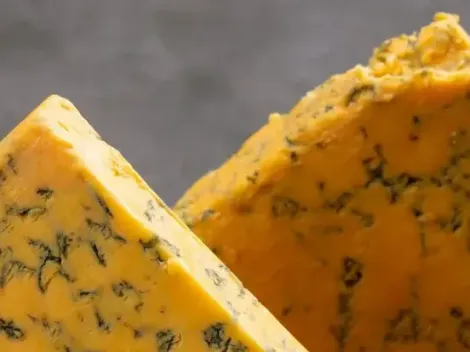
The British cheese the French can’t get enough of – and it’s not Stilton or cheddar

Shropshire Blue has been seen in shops in Paris, Malaga and Porto - and has been spotted at a wine bar in São Paulo.
READ MORE

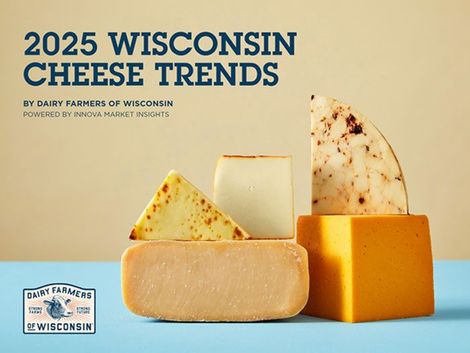
Discover the FIVE Must - Know Cheese Trends for 2025


Dairy Farmers of Wisconsin Uncovers Key Insights in Trends Report, Offering a Fresh Look at the Evolving Cheese Landscape.
READ MORE

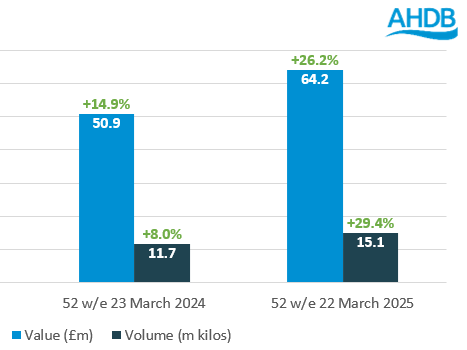
Consumers demand natural, high protein dairy products


Over the last 52 weeks, the dairy sector experienced modest value growth of +2.0%, despite a slight decline in volume (-0.5%).
READ MORE

Dairy milk, once maligned, is making a comeback


Dairy milk has come a long way since the "Got milk?" TV ad campaign more than 30 years ago.



READ MORE

The shape of things to come: Global dairy markets


We look at production, consumption and trade developments across major dairy-producing regions.


READ MORE

AI Boosts Dairy Contamination Detection


New technology can detect eight different pathogenic and spoilage bacteria in milk in just two hours with more than 98% accuracy.


READ MORE
SDT Spring Conference

MARKETING & ADVERTISING

By Debbie Stewart January 1, 2025
Get your brand in front of the most influential names in the cheese, dairy, and brewing industries with premium advertising in our trusted newsletter. Designed for maximum exposure and uncompromising quality, our packages offer exceptional value for money.
By Milly Moncrieff October 2, 2024
Are you a producer, manufacturer, or B2B company looking to expand your global reach? Building international partnerships is key to achieving this goal. By collaborating with others in the industry, we can unlock new opportunities, engage in cross-promotion, and work together to strengthen the global dairy community. We are looking for everyone, from small producers to international partners, to join our growing network.