

EXPLORE OUR NEWS ARTICLES
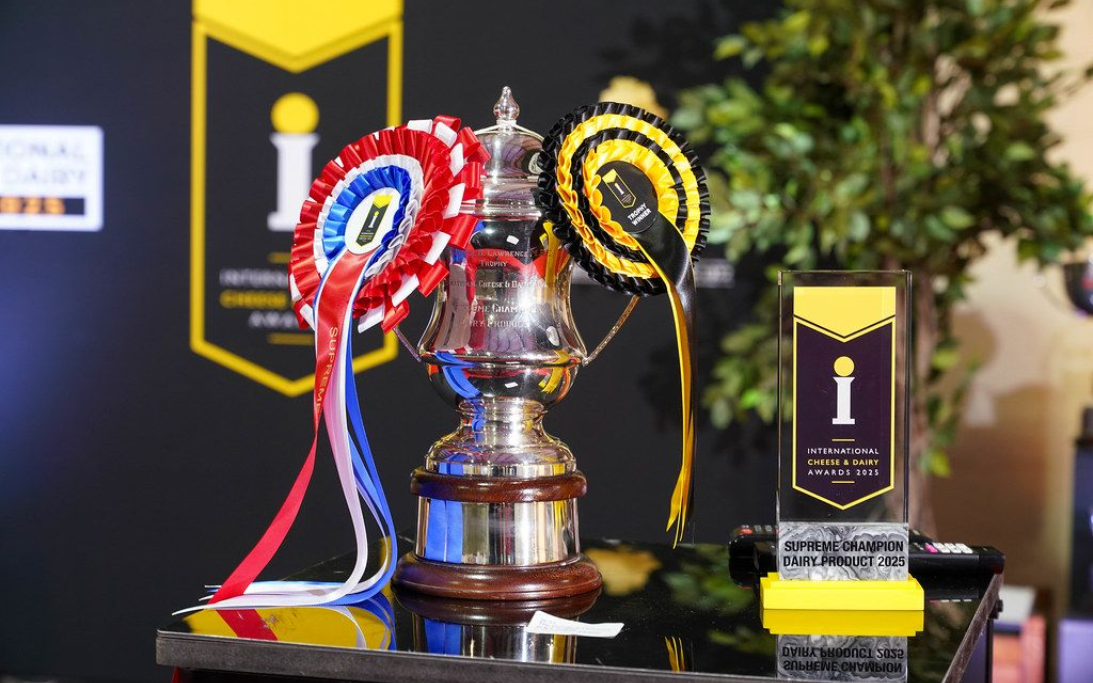
HOW A WIN CAN BECOME EVIDENCE FOR RANGE REVIEWS, EXPORT CONVERSATIONS AND COMMERCIAL GROWTH
This is a subtitle for your new post

The Transition

ENGINEERING AN INTEGRATED MEMBRANE SOLUTION
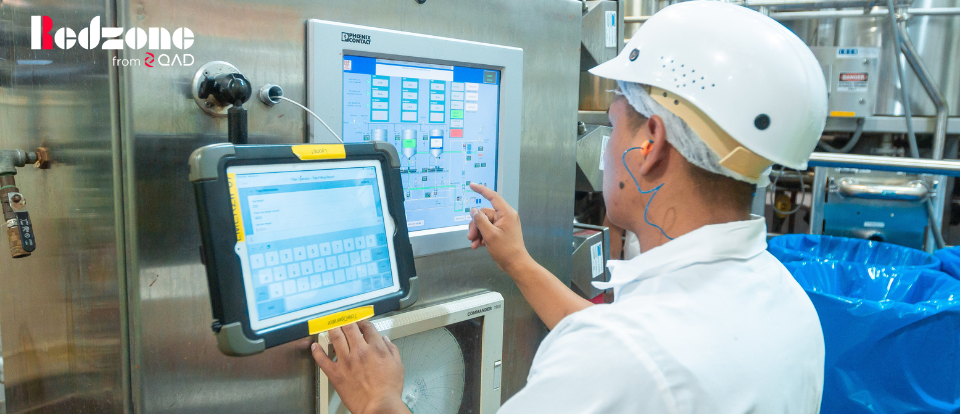
How Redzone Powers the Connected Workforce

NEW LEADERSHIP APPOINTMENT SIGNALS THE NEXT PHASE OF GROWTH AHEAD OF OCTOBER LAUNCH
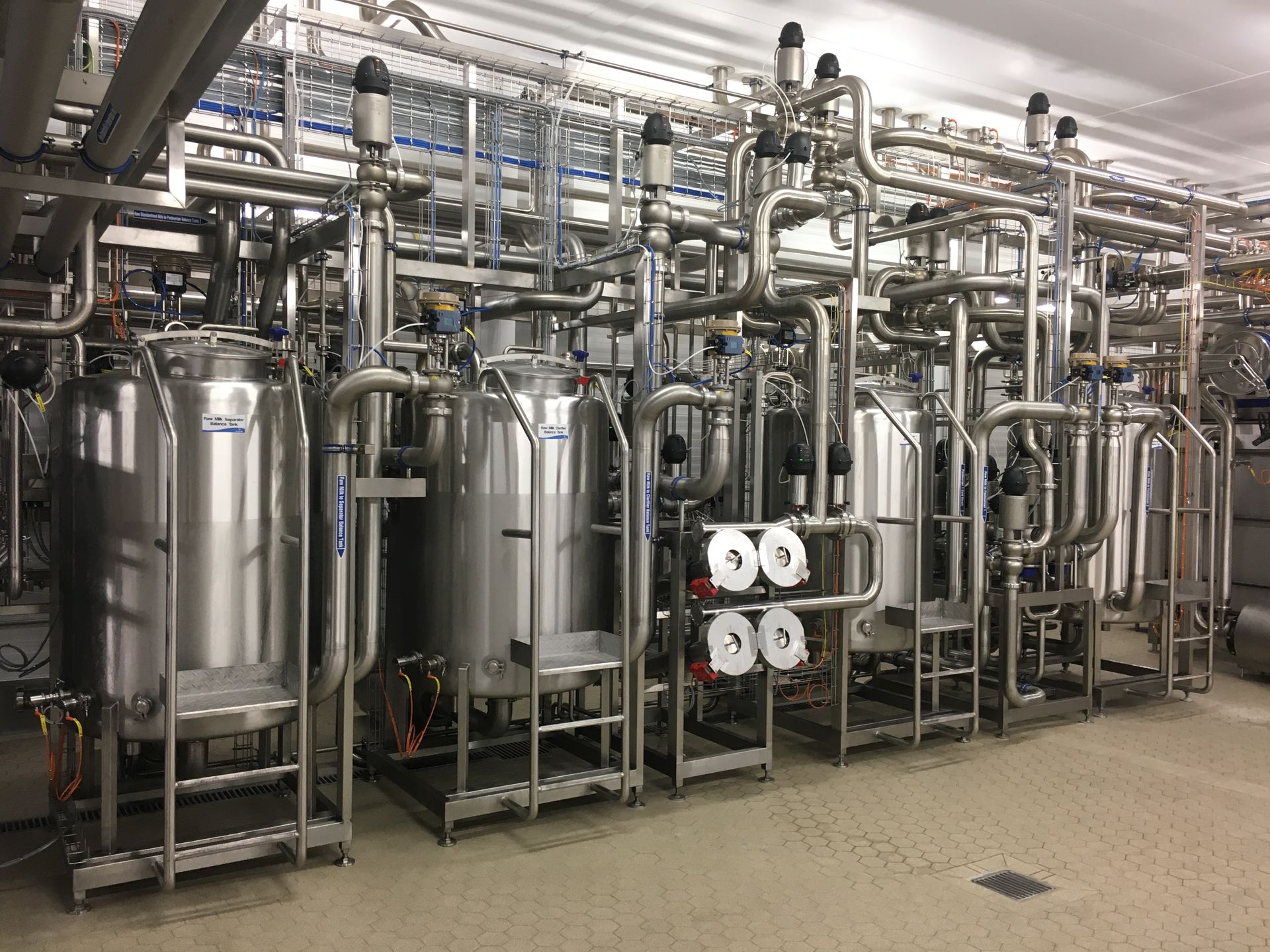
When David Kellett founded David Kellett and Partners in 1993, membrane filtration in the UK dairy industry was still an emerging industry. The business was built around deep technical expertise in this specialist field, offering turnkey membrane solutions at a time when there were few suppliers even in the industry. However, while membranes became the foundation of the company’s early reputation, the scope of work was never limited to a single technology. The business has always focused on solving real processing problems — whether that involved membrane systems, existing process upgrades, or the supply and integration of associated plant into the wider dairy process. More than membranes: a full engineering service Although the company is widely recognised for its expertise in membrane filtration, its capabilities extend significantly further. Today, David Kellett and Partners also provides a complete service covering: Design and supply of process equipment to suit the customers scope ranging from an individual part to a complete process route. Dairy processing equipment such as clarifiers, separators, pasteurisers, inline filtration, product storage, product intake and product despatch. CIP equipment ranging from existing route modifications to complete CIP centres. Bespoke cheese manufacturing equipment to comply with complex customer requirements. Most recently, draining conveyors, salting conveyors and cheddaring towers. Automation upgrades of existing plant to update obsolete and outdated equipment. Supply of all process related spare parts and service kits, as well as complete pump overhaul services. This broader offering has often been less visible than the company’s membrane work, but it is central to how the business operates. Within any process, many elements contribute to ensuring that equipment performs as intended once it is installed in real production conditions. The broad range of services offered allow David Kellett and Partners to deliver that goal. Practical solutions in real factory environments Over more than 30 years, one of the defining strengths of the business has been its ability to bridge the gap between design intent and operational reality. In dairy processing environments, success is rarely about equipment alone. Feed variability, plant integration, hygiene constraints and production schedules all influence outcomes. This is where the combination of design knowledge, equipment supply, installation experience and commissioning expertise becomes critical. Rather than advising in isolation, the business has always taken a hands-on role in ensuring systems are not only correctly specified, but also correctly installed, commissioned and performing in situ to give the most reliable performance. A changing industry — and broader client needs As the dairy industry has evolved, so too have client expectations. Where early conversations were often focused on solving isolated technical issues, today’s projects are more integrated, combining efficiency improvements, energy reduction, serviceability, functionality and straightforward operation. This shift has reinforced the importance of offering a broader service to be able to deliver all of those requirements. Membrane systems remain a core part of the business, particularly as whey processing and value recovery have become central to modern dairy operations. However, they sit within a wider portfolio of process engineering solutions rather than defining the entire business. Transitioning into the next chapter The business is currently entering a planned transition, with a management buyout underway that will see one of the existing team become Managing Director. Rather than a sudden change, this is being approached as a gradual and carefully considered evolution — ensuring continuity of technical expertise, client relationships, and the practical, hands-on approach that has defined the company since its founding. Succession has been a long-term consideration, and the focus now is on ensuring that knowledge and experience are transferred in a way that strengthens the business for the future, rather than disrupts it. A key priority throughout this process is maintaining the same principles that clients have always relied on: trusted independent advice, practical engineering judgement, and a commitment to delivering solutions that work in real-world dairy processing environments. Next month, we’ll sit down with our new Managing Director to discuss their vision for the organisation, and the priorities shaping its next chapter.
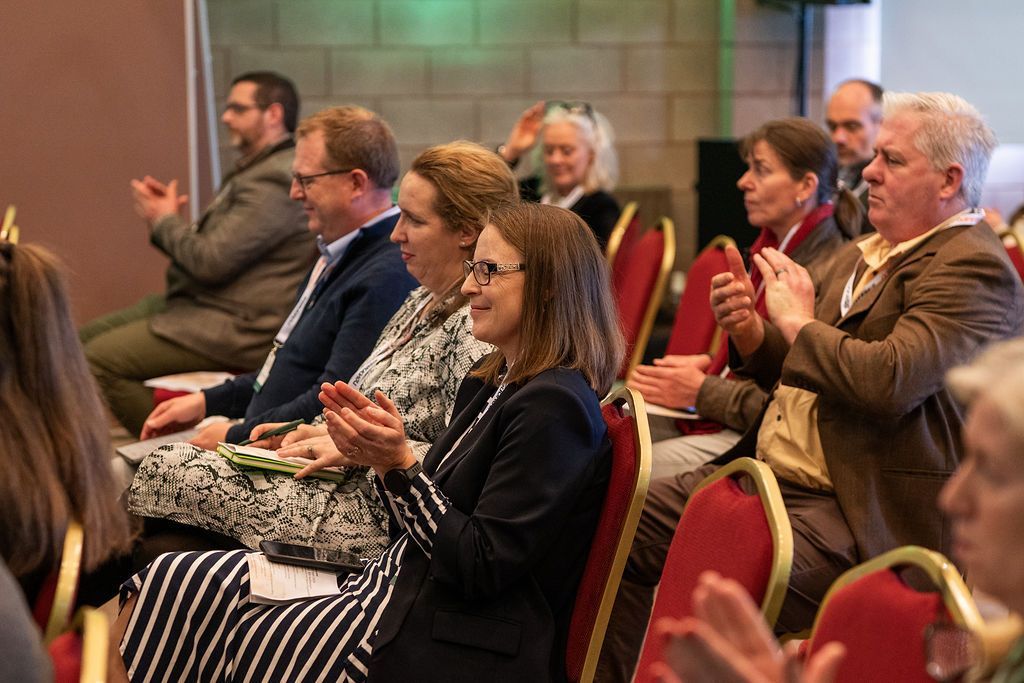
Lynn Harte's Ireland play opened this month at BIA Innovator Campus. The question was never whether Irish dairy needed another event — it was whether this one had read the room correctly. It had. There is a particular quality to a first event. Something that until that morning had existed only as pitch decks, phone calls and strategy documents is suddenly standing in the room - making coffee, holding badges, asking questions. That was the atmosphere at BIA Innovator Campus this month as Dairy Connect Ireland opened its first event, drawing processors, producers, buyers, service providers and agency stakeholders from across the island. The day had been championed from the outset by Lynn Harte, and the driving force behind the Dairy Connect Ireland proposition. Those who have worked with Lynn on either side of the Irish Sea will recognise the approach: meticulous preparation worn lightly, an instinct for the right introductions, and a stubborn insistence that an event should do something - move a conversation on, surface a commercial opportunity, close a gap - rather than simply be another exhibition or seminar. On that measure, the first Dairy Connect Ireland did its job. The programme was deliberately compact. Sessions favoured depth over sprawl, and the format leaned toward conversation rather than keynote. Delegates reported that some of the most valuable exchanges happened in the margins: between sessions, over lunch, at the evenings forum fest. BIA Innovator Campus itself deserves a note. The venue sits at the intersection of food production, innovation and community that Dairy Connect Ireland is working to occupy, and there was clear symbolism in choosing it. It was a working campus hosting a working industry, and the physical setting did some of the strategic work for us. What the day confirmed, more than anything else, was appetite. The Irish dairy industry has long had strong representative bodies, strong co-operatives and strong regional networks. What it has had less of is a dedicated commercial connective tissue - a space designed specifically for the conversations that sit between the formal industry structures and the everyday commercial life of the sector. The turnout at BIA, and more importantly the quality of the room, suggested Dairy Connect has identified a real gap. There is work still to do. A first event is a proof of concept, not a destination. Feedback - and we asked for plenty of it - pointed to clear priorities for the next outing: more structured networking time, a handful of programme refinements already being built into the next event. Those conversations are under way. For Lynn, and for the wider Dairy Connect team, this first Ireland event represents something particular. It is the moment an idea becomes real. The Irish market has its own character, its own pace and its own sensitivities; a platform that works in the UK does not automatically translate across the water. The work of recent months has been about building something that speaks to Irish dairy in its own way, and the response at BIA suggested the tone is right. Dairy Connect will return in March 2027. A date for the second event will be announced in the coming weeks, and those who attended the first will receive priority information. For those who missed it - and there are always those who missed it — early engagement is advised this time around. Some first events are mostly announcement. This one, quietly, was closer to proof. For information on the next event and partnership opportunities, contact the Dairy Connect Ireland team. https://www.dairy-connect.com/ireland Steve Moncrieff, Managing Director, Dairy Connect

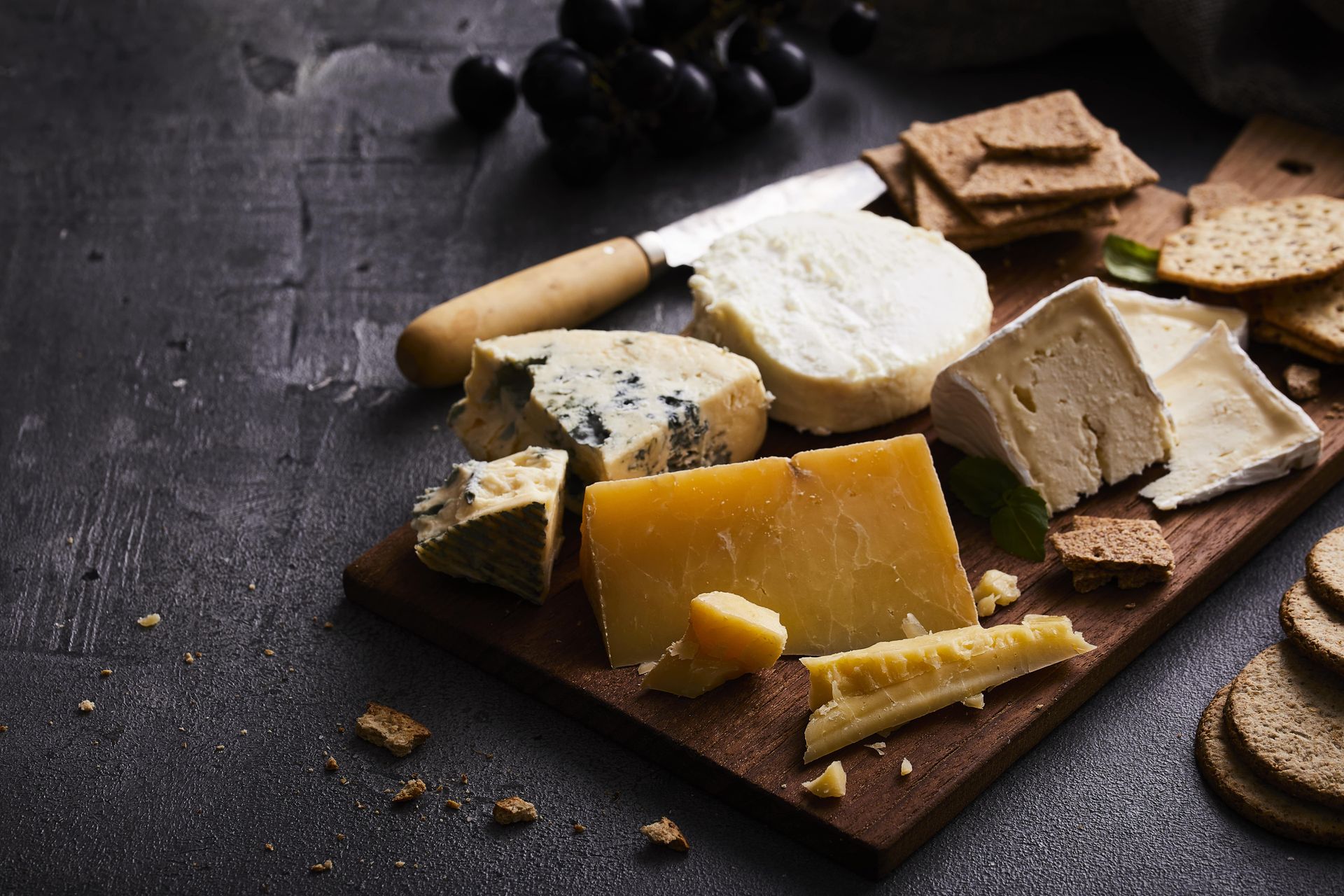
Entries are now open for the International Cheese and Dairy Awards 2026, with producers from across the UK and overseas invited to submit products for what remains one of the most respected quality benchmarks in the global dairy industry. The competition, which has operated for more than a century, assesses cheeses and dairy products through blind judging panels drawn from across the industry - technical specialists, graders, cheesemakers, retailers and buyers. Products are evaluated on flavour, texture, aroma, presentation and technical merit, with no brand influence on the outcome. Gold, Silver and Bronze medals are awarded across each class, with the highest-performing Gold winners progressing to compete for the competition's top honours. This year's schedule encompasses the full breadth of modern dairy production. Traditional classes covering farmhouse cheeses, bandaged and territorial Cheddars, and international speciality styles from France, Italy, Spain, the Netherlands, Switzerland and the United States sit alongside an expanded range of categories reflecting where the sector is heading. Dedicated sections cover functional dairy products, high-protein snacks and performance nutrition, as well as classes for butter, cream, yoghurt, milk and ice cream. The programme also includes awards for packaging design, export achievement and new product development, and a relaunched foodservice section assessing dairy products on their performance in professional kitchen conditions. A dedicated platform remains in place for specialist and artisan cheesemakers - producers manufacturing at small scale whose work continues to shape how consumers and buyers understand quality and provenance in dairy. For producers considering entry, the commercial case is straightforward. Retail buyers and export distributors monitor ICDA results closely. For smaller producers in particular, recognition from an internationally credible judging panel can open conversations with buyers that would otherwise require considerably more groundwork. Judging will take place on 24 June 2026 at Bingley Hall, Stafford. Results will be announced the following day as part of the Dairy Connect themed International Cheese and Dairy EXPO. Entry deadlines: Overseas producers — 6 May 2026 UK producers — 29 May 2026 Entry information and the full class schedule are available at https://www.internationalcheesedairyexpo.com/icda-awards .
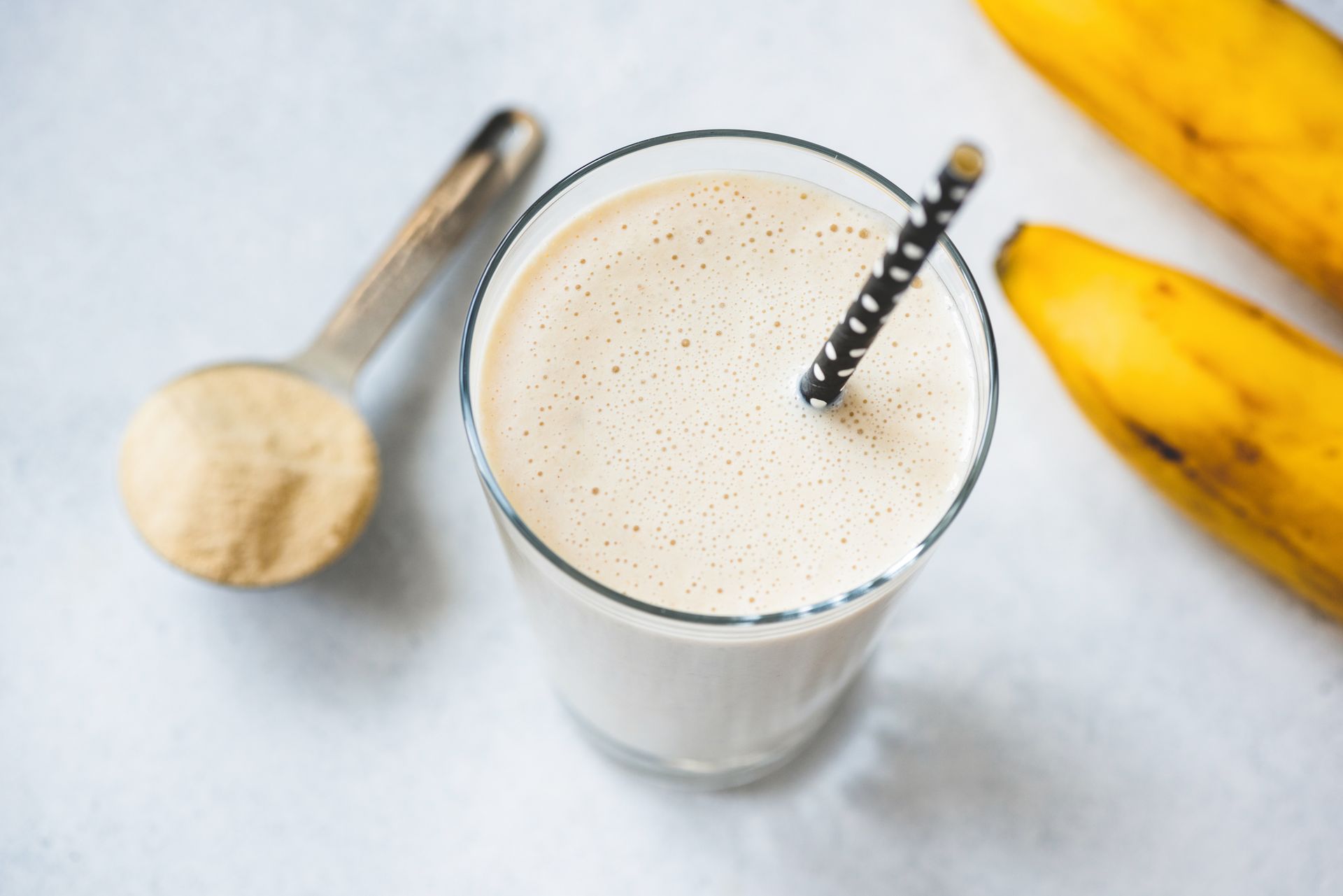
The International Cheese and Dairy Awards has been running for over a century. In that time it has judged farmhouse Cheddars, washed-rind territorial cheeses and artisan blues - the accumulated craft of British and international dairy production measured against panels of graders, retailers and technical specialists. This year, for the first time, it will also judge high-protein yoghurts formulated for muscle recovery and fermented dairy drinks designed to support gut health. That addition deserves more scrutiny than it will probably receive. The decision to create dedicated judging classes for performance nutrition and functional dairy products is not an administrative footnote. It is a statement about where the commercial weight of the dairy category is shifting. Dairy's protein credentials are not in dispute among nutritionists. Whey and casein remain among the most biologically complete protein sources available, with amino acid profiles and absorption rates that synthetic and plant-derived alternatives have spent considerable research effort trying to replicate. Yet for most of the past decade, while protein became one of the dominant value drivers in packaged food — commanding shelf space, margin premiums and marketing budgets across supermarket categories — the dairy industry largely allowed others to frame the conversation. Sports nutrition brands built empires on whey isolate while mainstream dairy marketing stayed anchored in tradition, provenance and taste. The structural shift now underway is a belated correction. Retail buyers across major multiples have reported consistent volume growth in high-protein yoghurts, drinks and dairy snacks. The category has moved from gym-adjacent novelty to mainstream grocery fixture on the back of the growth of GLP-1 diets. Products delivering ten grams of protein per hundred grams are now shelf-stable expectations in convenience retail, not specialist health store offerings. The consumer has, in short, already moved. What makes the awards development significant is not the existence of these products — they have been on shelf for several years — but the formalisation of quality benchmarking within the sector's most established judging framework. By submitting functional dairy products to blind assessment panels drawn from retail, technical and culinary expertise, producers are being pushed to answer a question the category has often avoided: do these products actually taste good? That question matters more than it might appear. Functional foods have a long commercial history of failing not on efficacy but on palatability. A product that delivers its nutritional promise while tasting of little beyond protein powder is a product that generates a first purchase and no repeat. The awards' insistence on assessing flavour, formulation and sensory quality alongside nutritional composition imposes a discipline that product development teams inside dairy businesses should welcome, even if their marketing departments might find it uncomfortable. The 2026 schedule's simultaneous expansion of artisan classes — dedicated for producers making eight tonnes of cheese or less per week — might appear to pull in the opposite direction. In one sense it does. The farmhouse cheesemaker hand-turning raw milk wheels in a Somerset barn occupies a different commercial universe from the dairy processor developing a whey protein drink for a major multiple. Yet both developments reflect the same underlying dynamic: an industry that is no longer competing on a single axis. For the most part, dairy has competed primarily on price, volume and commodity reliability. Quality was relevant but largely defined within narrow traditional parameters. The modern dairy sector now competes simultaneously across nutritional science, artisan authenticity and culinary performance — each requiring different capabilities, different sales channels and different conversations with buyers. The foodservice categories, also relaunched and sponsored by Lactalis include classes assessing melt behaviour, stretch and culinary application, complete this picture. Restaurant kitchens have always shaped consumer taste — a cheese encountered on a well-constructed board in a good restaurant has a habit of appearing in the shopper's basket the following weekend — but the formal evaluation of dairy products under professional kitchen conditions reinforces a commercial truth that producers have sometimes been slow to act on. Foodservice is not a secondary market. For premium and specialist producers it can be the market that builds the brand sufficiently to make retail listings viable. Judging takes place on 24 June at Bingley Hall in Stafford, with entries from overseas producers closing on 6 May and UK producers on 29 May. A century-old cheese awards programme does not add sports nutrition categories because its judging committee feel like it. It does so because the commercial reality of the dairy sector demands it. The industry's most established quality benchmark has now formally acknowledged that dairy is a functional food category — one that competes not only with other cheeses on the deli counter but with protein bars, plant-based alternatives and sports nutrition products on an entirely different set of shelves. Entries for the International Cheese and Dairy Awards 2026 are open now. UK producers: 29 May deadline. Overseas producers: 6 May. w: https://www.internationalcheesedairyexpo.com/icda-awards

From Long-Standing Sponsor to First-Time Exhibitor
CHEESE & Dairy FORUM Ireland | 15-16 April 2026 Bord Bia Innovator Campus | Co Galway

Strategic takeaways shaping what comes next

The cheese and dairy sector enters 2026 with a renewed sense of urgency. Retailers are tightening ranges, foodservice operators are recalibrating menus, and producers are navigating the dual pressures of inflation and sustainability compliance. Against this backdrop, the International Cheese & Dairy EXPO (ICDEX), alongside the world-renowned International Cheese & Dairy Awards (ICDA), stands out as a decisive moment for the industry. The event returns to Stafford on 24–25 June 2026 , bringing together the full value chain at a time when clarity, visibility and commercial momentum are essential.
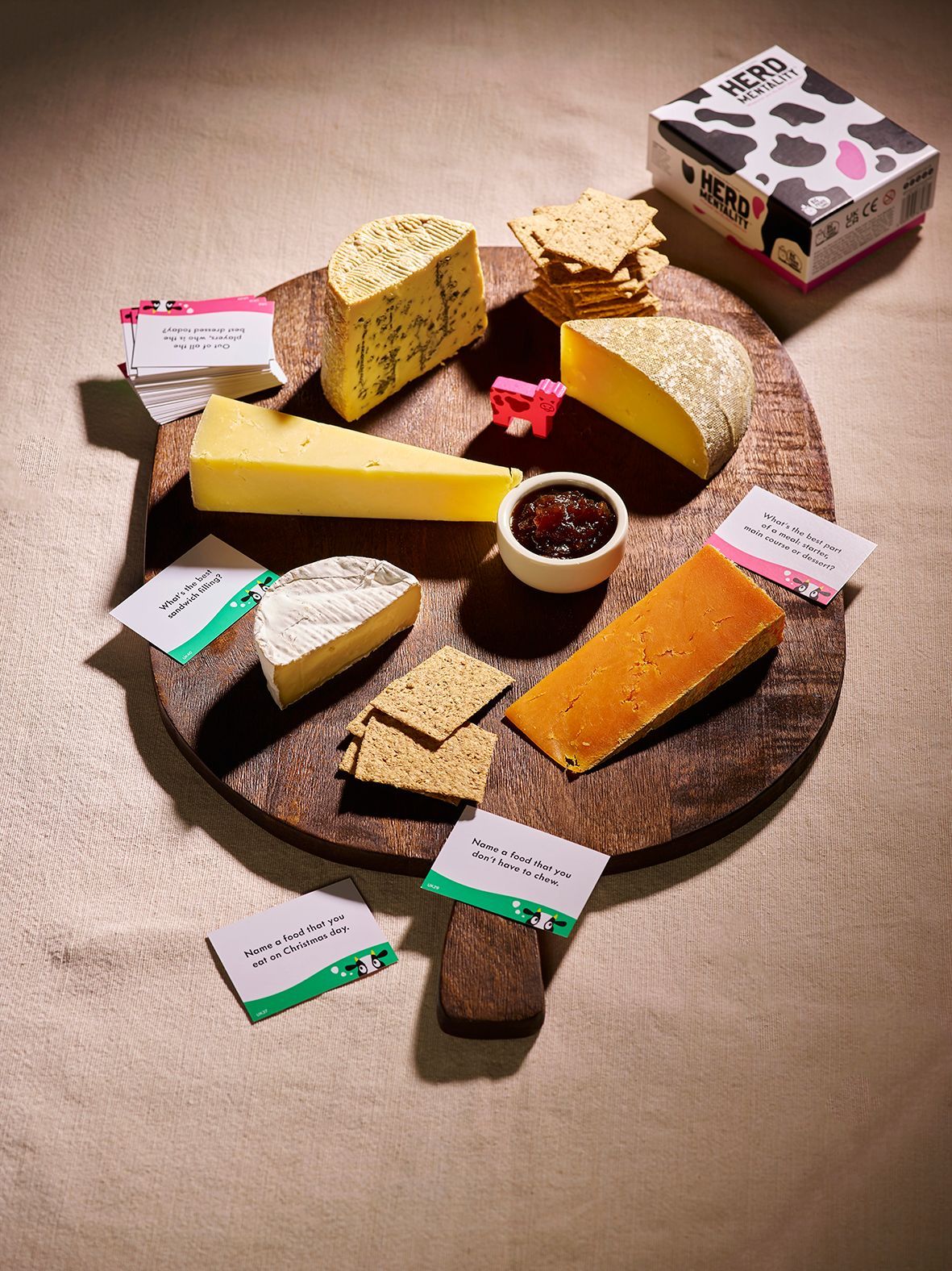
British artisan cheesemonger cheesegeek has partnered with Big Potato Games to launch ‘The Robin’ - a new festive cheese and games gift box - in time for gifting and hosting season, as it seeks to get more consumers engaged with the speciality cheese sector. The box combines a selection of award-winning British cheeses - including Yoredale, Lincolnshire Red, Keen’s Extra Mature Cheddar, Rollright and Long Clawson Stilton - with one of three party games from Big Potato Games: Herd Mentality, P for Pizza or Tilt ‘n’ Shout. cheesegeek’s founder Edward Hancock said: “The Robin brings together two great British traditions - artisan cheese and playful games - offering a unique, experiential product for gifting or hosting this festive season. “It also, importantly, is another step towards bringing artisan cheese to more people up and down the country, whilst continuing to support independent British cheesemakers.” Edward added that The Robin is “the ultimate recipe for holiday fun”, combining a selection of cheesegeek’s deliciously moreish cheeses with laugh-out-loud party games to bring consumers together for an evening of “laughter, questionable tactics and the kind of light-hearted chaos that only happens at Christmas”. The Robin is available to order directly from cheesegeek’s website now, with the price starting from £48.
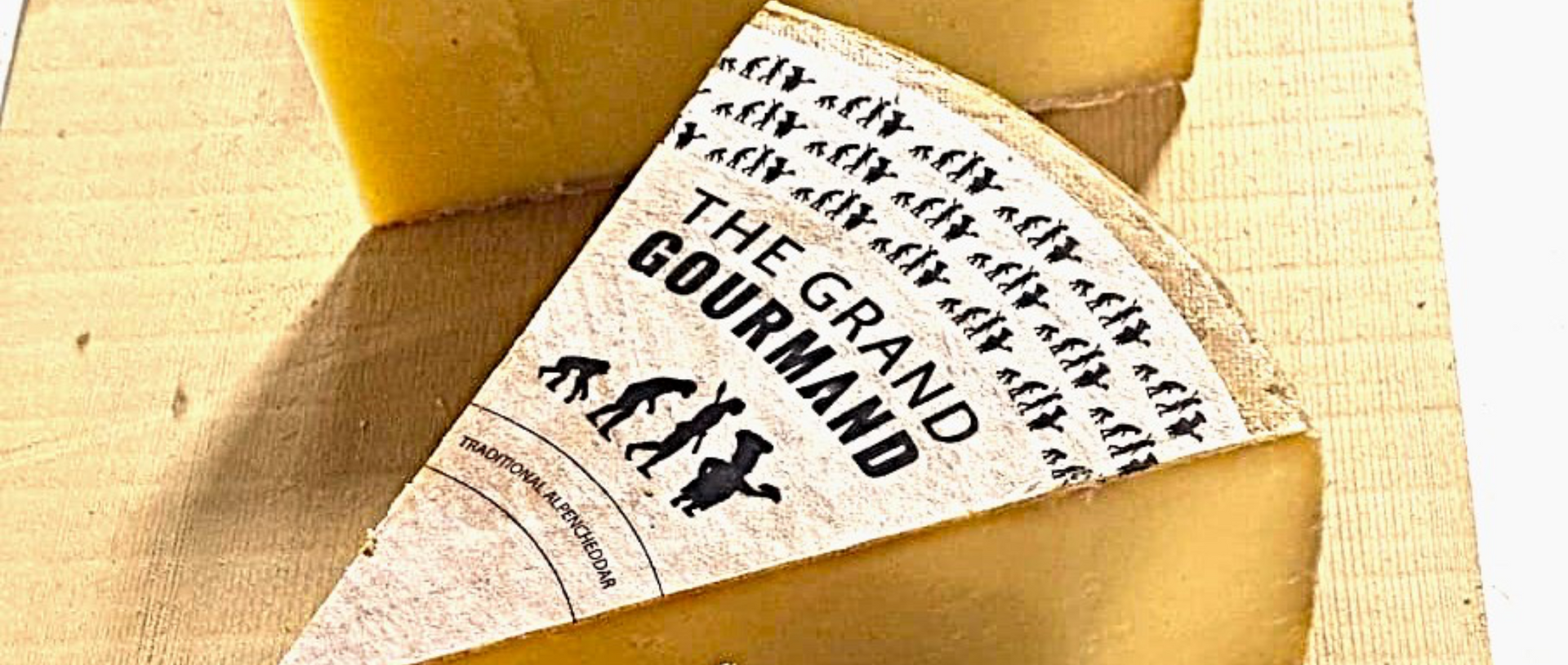
We're thrilled to announce that our Traditional Alpencheddar has just taken home Gold at the ICDA 2025!
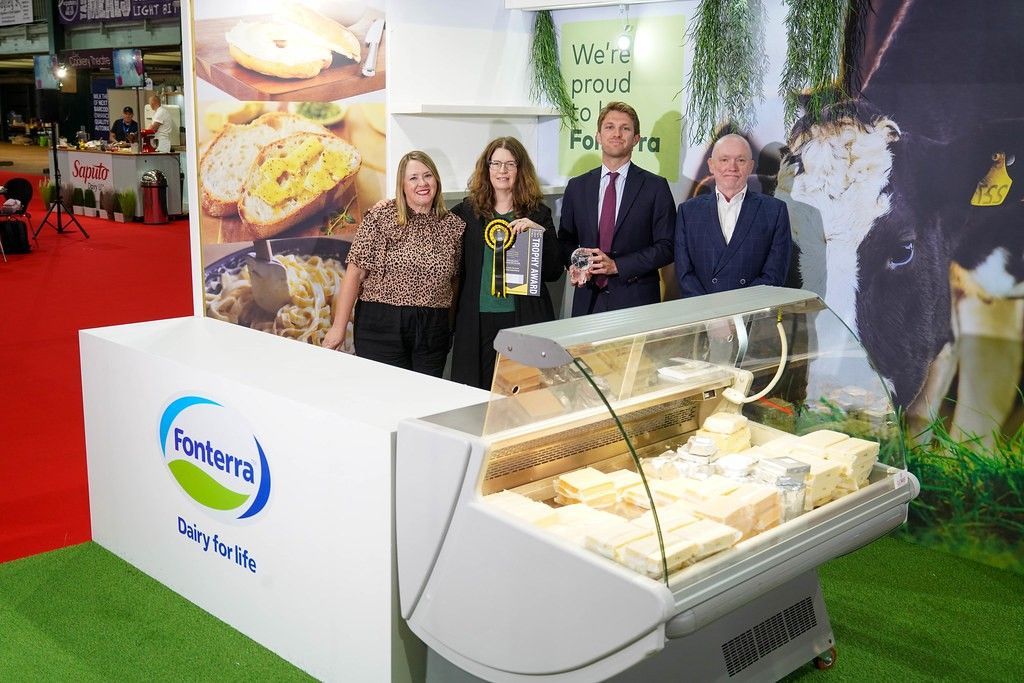
Quality Recognition Boosts Kiwi Dairy in the UK

The cheese and dairy industry stands at a crossroads. Pressures from sustainability legislation, supply chain volatility, and consumer behaviour shifts are reshaping the market at pace. At the same time, innovation, provenance, and craftsmanship are opening new avenues for growth. Against this backdrop, the International Cheese & Dairy EXPO (ICDEX) will return on 24–25 June 2026 with a new theme: Dairy Connect – Connecting Dairy’s Future. This theme signals a fresh commitment: to create the most comprehensive, collaborative, and commercially relevant event for the global dairy sector. Building on the prestige of the International Cheese & Dairy Awards (ICDA), ICDEX 2026 will unite retail, foodservice, artisan, and technical audiences under one roof – offering clarity of focus while strengthening the sense of community that makes the industry unique.
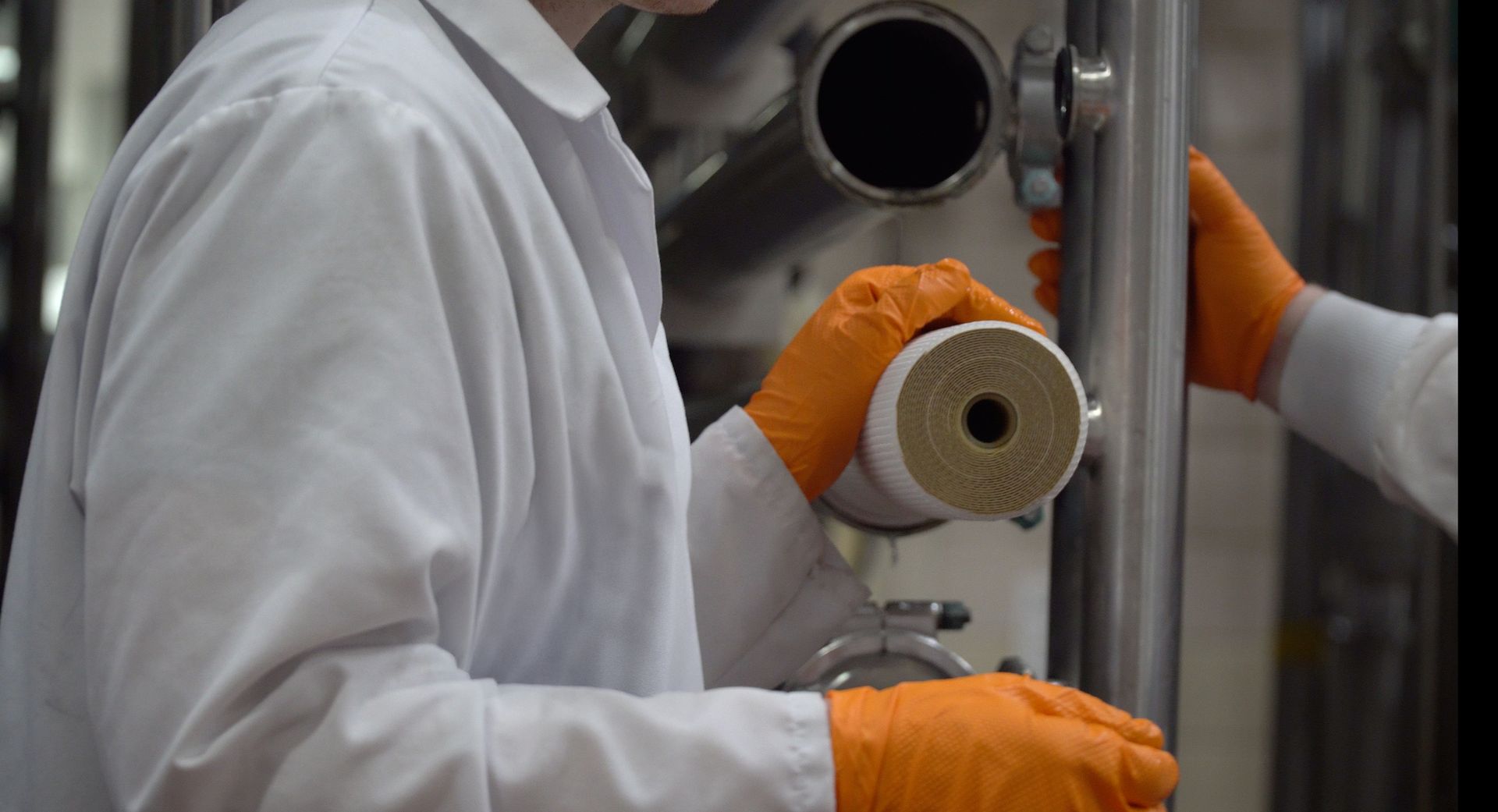
ZwitterCo Evolution Membranes Transform Cleaning Programs in Dairy Processing
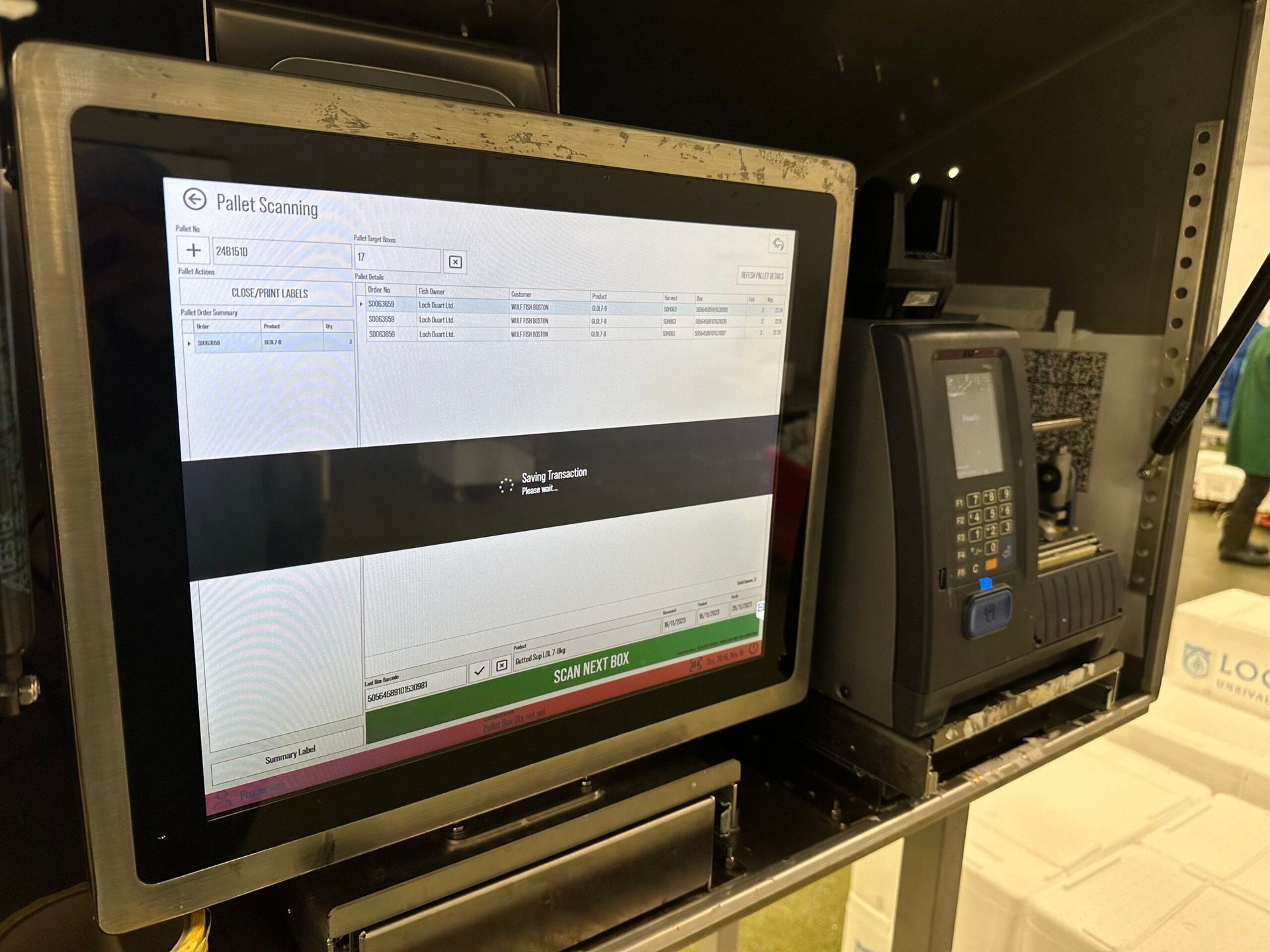
Why compromise between speed and quality when demand puts pressure your production line?
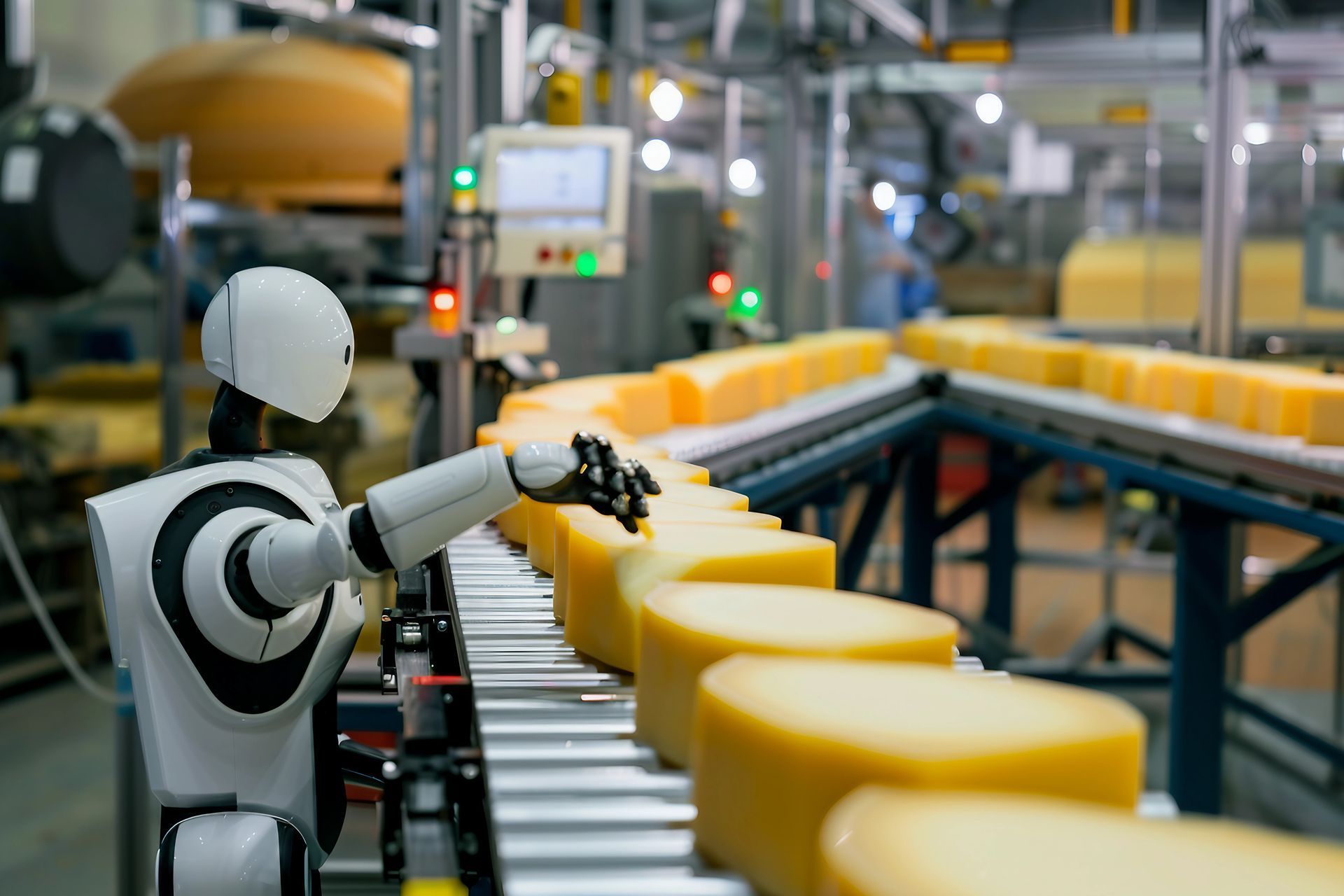
How smart systems are giving producers a distinct competitive advantage.

As sustainability becomes a business necessity, WZ Packaging is emerging as a key player in dairy packaging. Based in Telford, UK, the company has long been a trusted partner for top global brands, offering high-quality, eco-friendly flexible packaging solutions that protect both products and the planet. With decades of experience, particularly in aluminium foil conversion, WZ Packaging is at the forefront of creating environmentally responsible packaging materials to meet the dairy industry's growing sustainability demands. A Legacy in Aluminium Foil Packaging WZ Packaging has led the way in aluminium foil conversion for over 50 years. Aluminium’s excellent barrier properties make it ideal for dairy products like butter, cheese, and yoghurt, protecting them from light, air, and moisture. As consumers increasingly value sustainability, WZ Packaging’s experience with foil packaging supports the industry’s shift towards greener solutions. “Aluminium foil offers exceptional protection, even in very thin layers, reducing the need for secondary packaging,” explains Amanda Willepotte, Senior Business Development Manager at WZ Packaging. “It’s a sustainable, protective solution ideal for the dairy industry.” The Enviro Ultra-Laminates Range A major innovation is the Enviro Ultra-Laminates Range, designed with sustainability in mind. The range uses ultra-thin layers of aluminium foil, BOPP, and PET films, creating a lightweight solution that reduces packaging waste. “The goal was to create packaging that meets rigorous recycling standards while offering the necessary protection for dairy products,” says Willepotte. “By using paper from 10gsm and aluminium foil from 5 microns, we’ve reduced material usage without sacrificing performance.” The Enviro range stands out for its recyclability. Its combination of ultra-thin layers ensures it meets current recycling standards, making it an eco-friendly choice for items like butter wraps and cheese foils. By minimising material use and maintaining product integrity, WZ Packaging leads the push for more responsible packaging in the dairy sector.
By The Dairy Mail Team There was a strong sense of celebration – and a touch of healthy rivalry – at this year’s International Cheese & Dairy Awards , held in June at the Staffordshire County Showground. As ever, the competition brought together the best in British and international dairy, with thousands of entries submitted across cheese and dairy categories. In a year that saw standards higher than ever, it was Belton Farm who claimed the top accolade of Supreme Champion Cheese , sponsored by Novonesis – a testament to their enduring quality, craft and consistency. Close behind was the respected Dewlay Cheesemakers , who were named Reserve Champion Cheese. In the non-cheese category, Lancashire Farm Dairies scooped the title of Supreme Champion Dairy Product , sponsored by IFF, recognising the business’s continued commitment to innovation and excellence in cultured dairy.
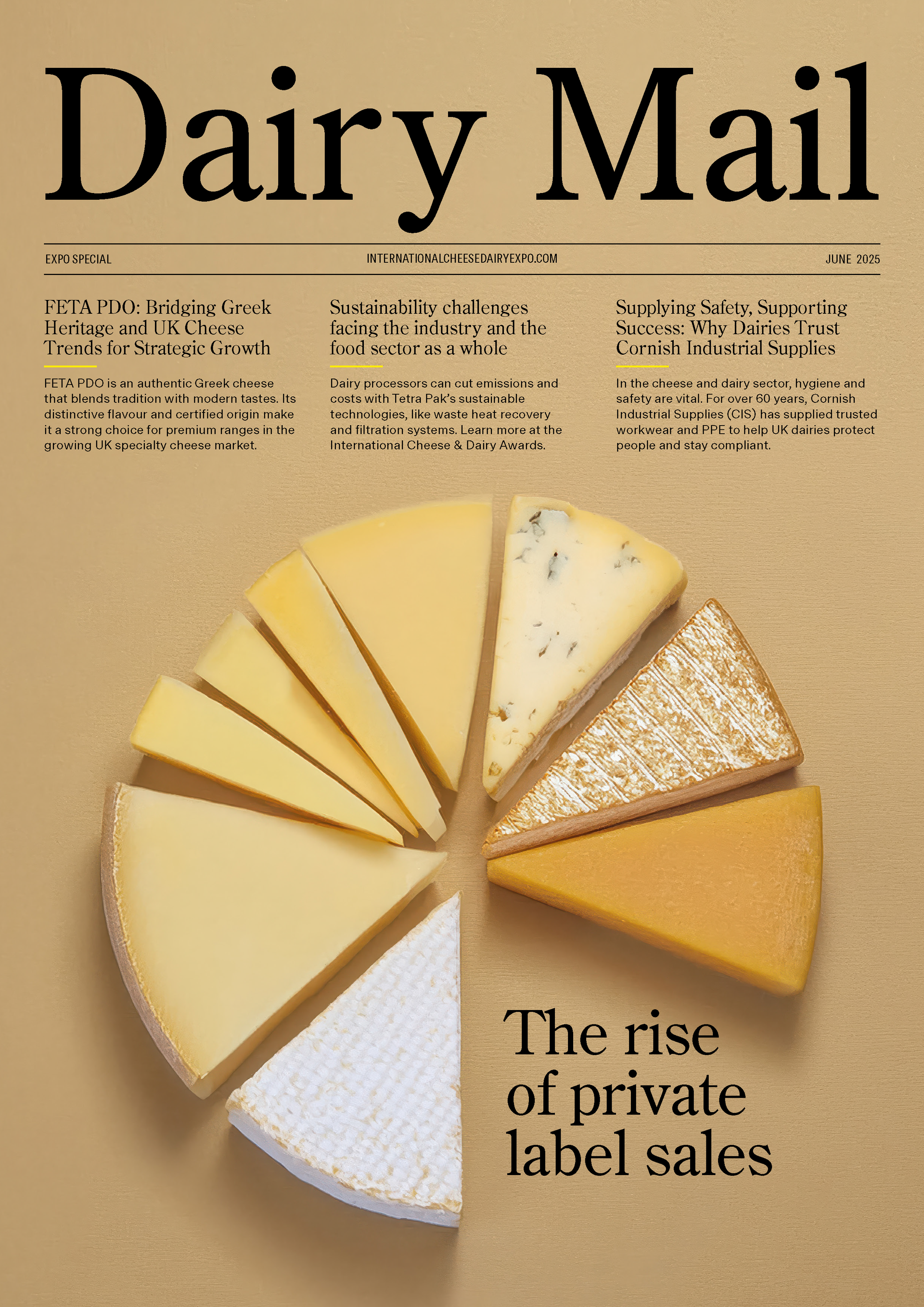
READ THE ICDA EXPO SHOW SPECIAL ISSUE
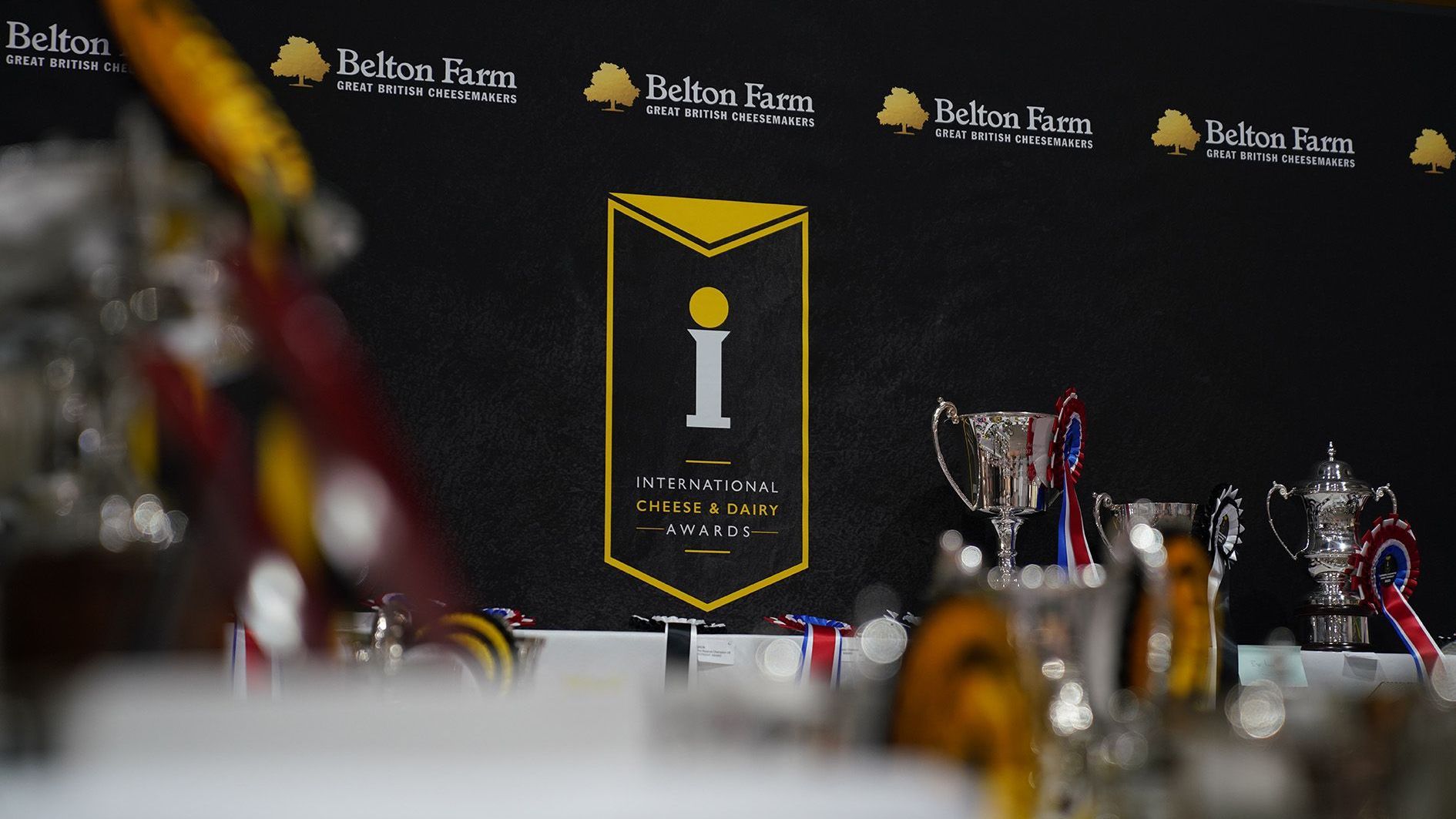
ICDA 2025: The World's Leading Cheese & Dairy Awards Are Almost Here
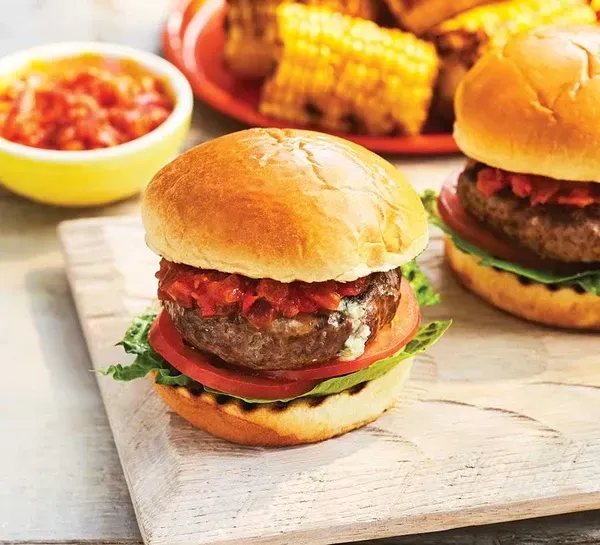
Barbecue Cheese burger

Marking World Milk Day 2025 with a look at the people, the potential, and the most iconic campaigns behind one of the world's most powerful products
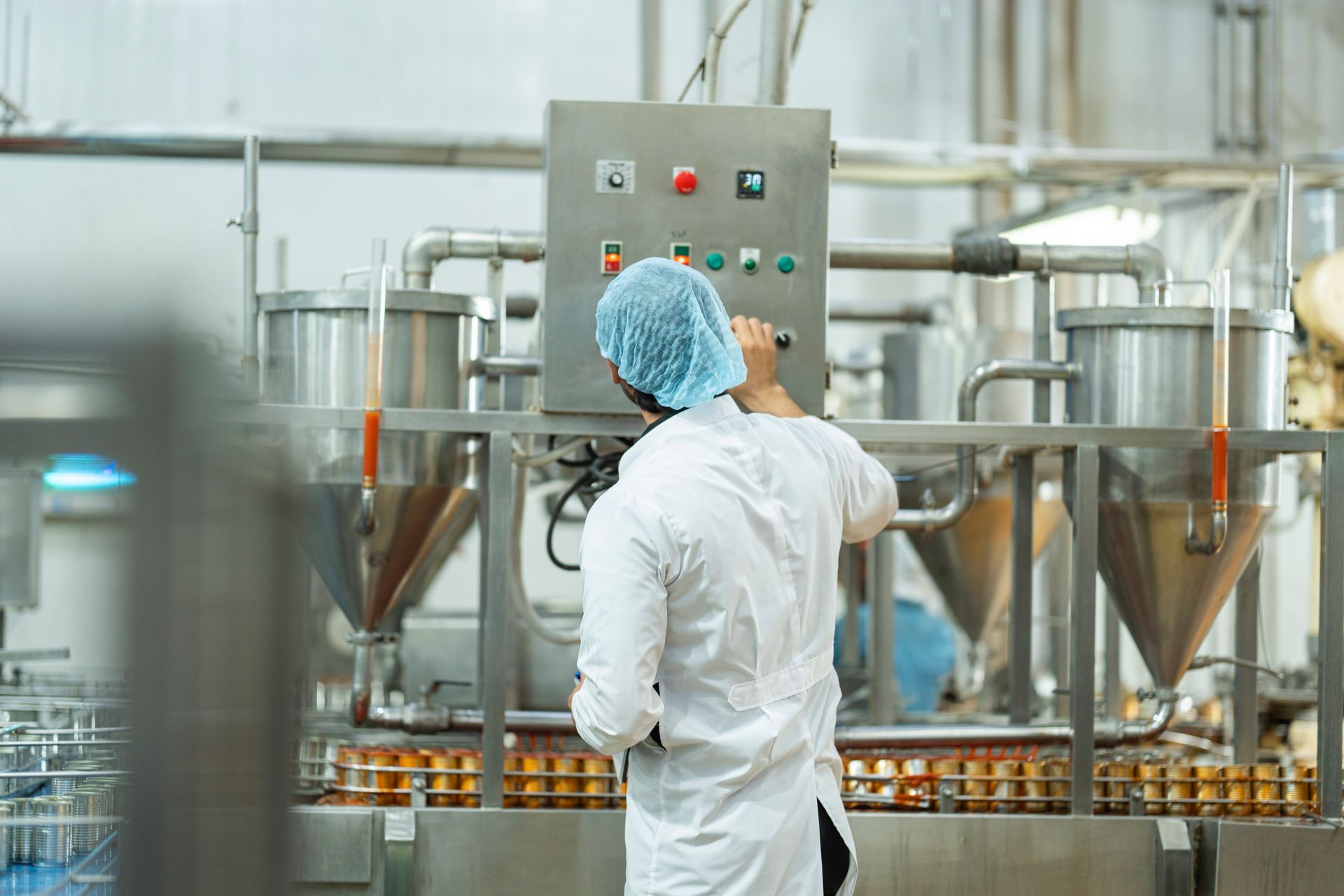
6 Smart Ways Dairy Processors Can Simplify Membrane Cleaning Programs and Maximize Production Time
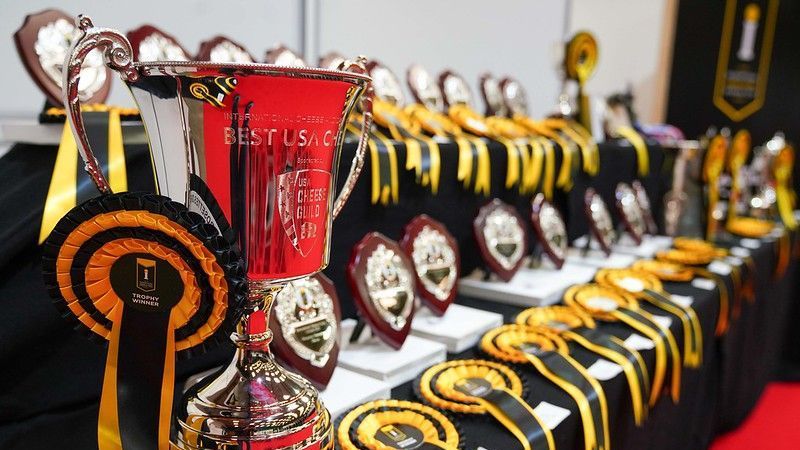
Why the ICDA Awards Are More Than Just Medals — They’re a Gateway to Growth
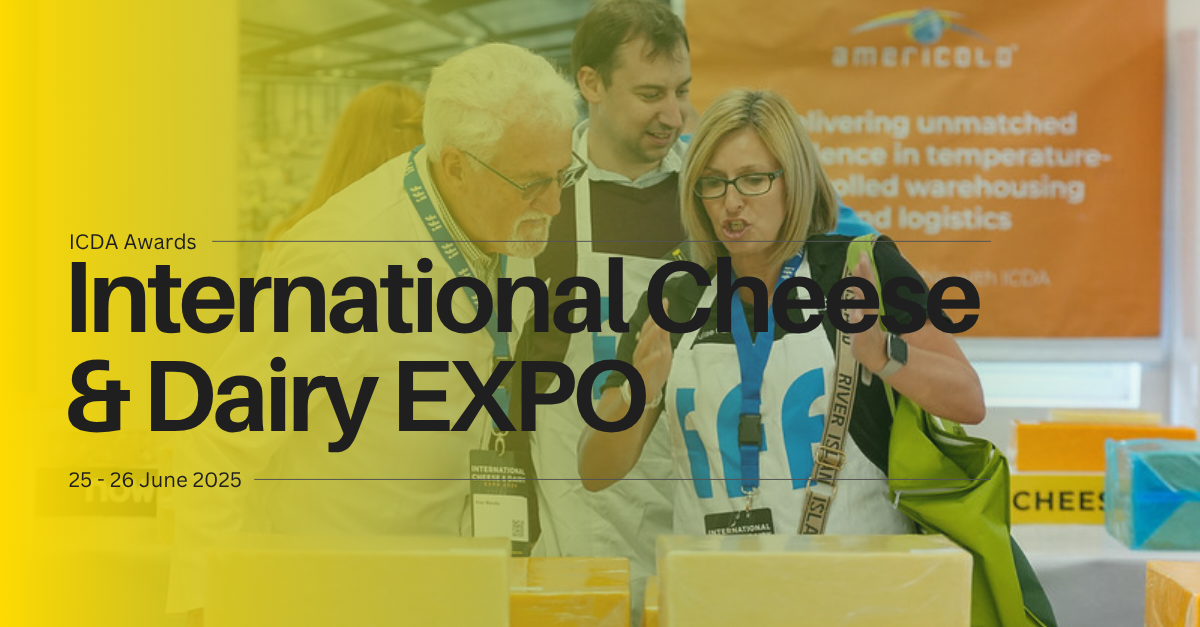
Why Attend the International Cheese and Dairy EXPO 2025