CREAM OF THE CROP
HOW 2026’S FOODSERVICE TRENDS ARE OPENING NEW DOORS FOR DAIRY AND CHEESE
Foodservice in 2026 is being shaped by two forces moving at once. The first is culinary: diners want stronger stories, more global influence, more theatre and more personalisation. The second is nutritional: the rise of GLP-1 weight-loss medicines is sharpening attention on smaller portions, protein density and ‘less but better’ eating.
Unilever Food Solutions’ Future Menus 2026 identifies four global trends: Borderless Cuisine, Street Food Couture, Diner Designed and Culinary Roots. For dairy and cheese suppliers, each points to a practical commercial opportunity. AHDB’s separate analysis of GLP-1 use then adds a further overlay: as appetite falls, protein quality and nutrient density matter more.
1. BORDERLESS CUISINE: GLOBAL DAIRY MOVES CLOSER TO THE CENTRE
Borderless Cuisine rewards dishes that borrow respectfully across cultures, techniques and formats. For dairy, the implication is significant. Halloumi, paneer, labneh, kefir, ghee, aged hard cheeses and cultured dairy all have credible roles in global or fusion menus.
The opportunity is not to force British cheese into every cuisine. It is to understand where dairy already belongs: paneer in South Asian-inspired wraps and grills; labneh in Middle Eastern small plates; halloumi in casual dining; aged Cheddar or Lancashire used sparingly where sharpness and umami can anchor a fusion dish.
2. STREET FOOD COUTURE: CHEESE AS PERFORMANCE INGREDIENT
Street Food Couture is where cheese becomes visible. Melts, flatbreads, loaded fries, tacos, bao, toasties and handheld formats all reward stretch, browning, flavour and portion control. For foodservice suppliers, the commercial brief is clear: cheeses must perform under heat, hold texture, deliver visual impact and work consistently in high-throughput kitchens.
Provolone, young Cheddar, mozzarella, Gruyère-style cheeses, raclette-style formats and processed blends all have roles here, but the opportunity is bigger than stretch. Cultured butter, dairy-based sauces, whipped ricotta, feta-style crumbles and blue-cheese toppings can all give street-food formats the premium cue operators need to protect margin.
3. DINER DESIGNED: DAIRY IN CUSTOMISABLE FORMATS
Diner Designed reflects the demand for personalisation without chaos. Bowls, platters, build-your-own counters and sauce bars need components that are easy to portion and quick to explain. Dairy is well placed when it is supplied in formats that reduce kitchen friction: grated, sliced, diced, portioned, whipped, strained, pre-marinated or sauce-ready.
This is a product-development point as much as a trend observation. Foodservice operators do not simply need ‘interesting cheese’. They need ingredients that can be used at speed, priced accurately and explained by front-of-house teams without slowing service.
4. CULINARY ROOTS: PROVENANCE EARNS ITS PLACE
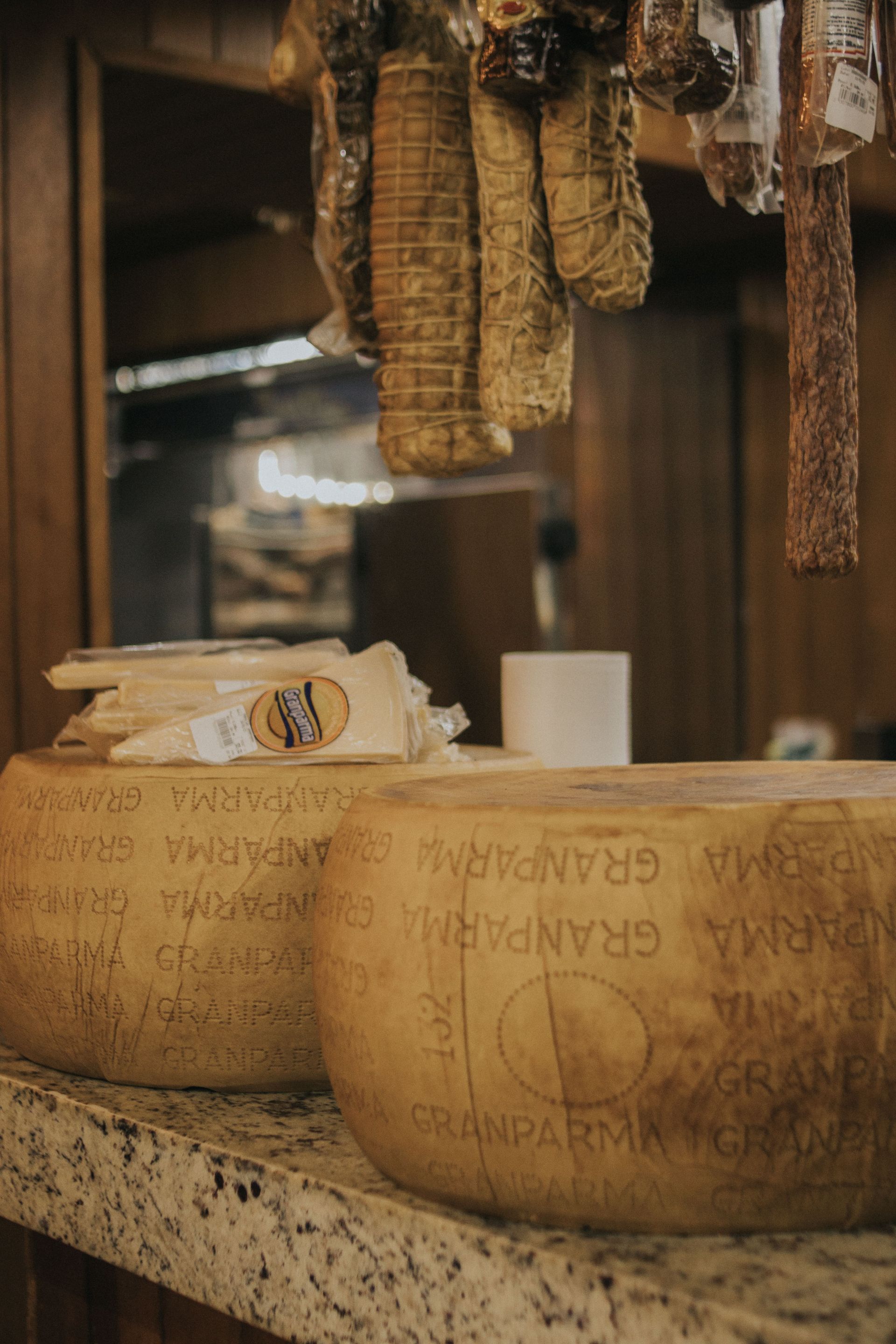
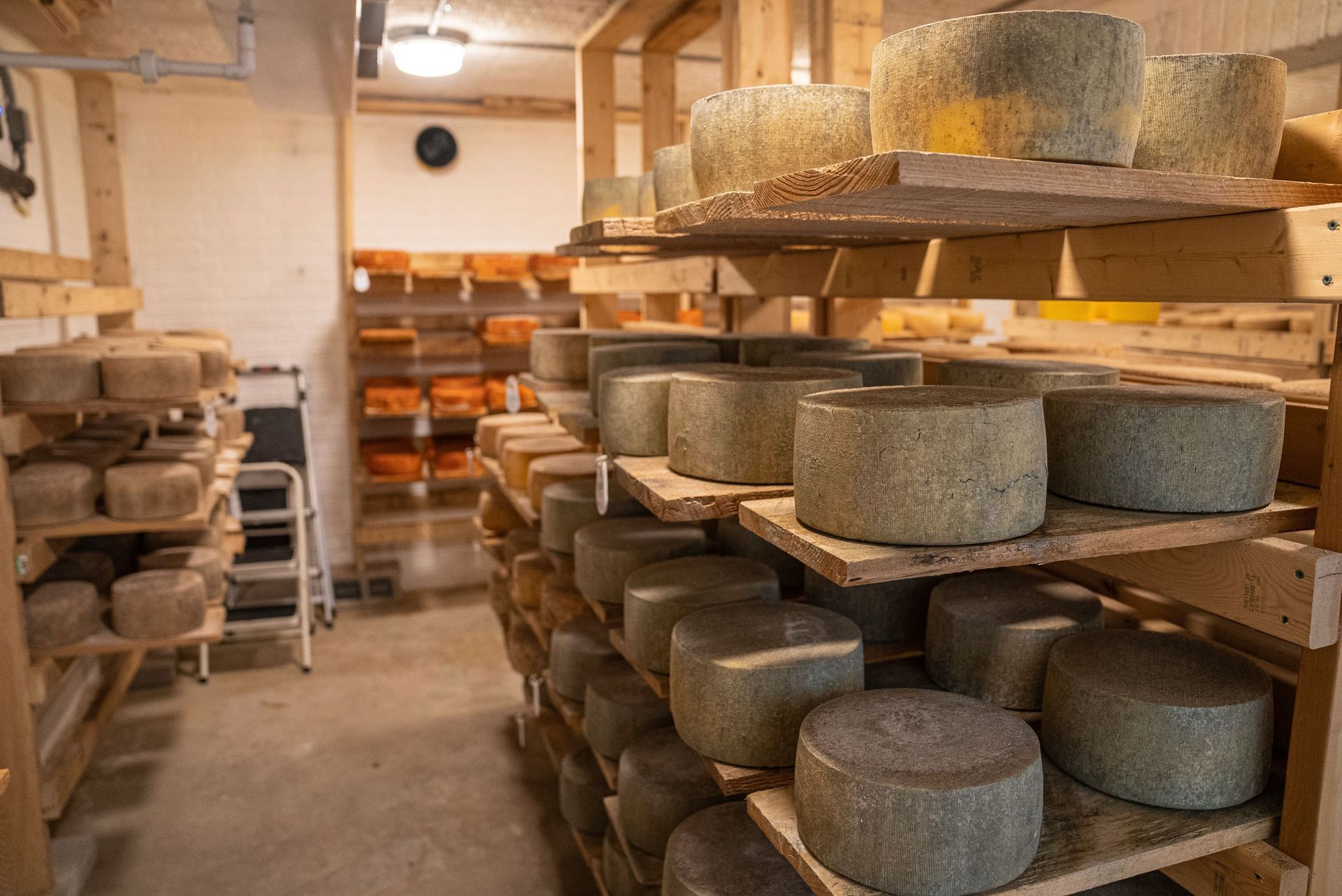
Culinary Roots is the most natural fit for artisan and regional dairy. Aged territorials, farmhouse cheeses, cultured butter, single-origin cream and PDO products all bring the kind of origin story chefs can use on menus. The strongest opportunity lies with products that combine story and functionality: cheeses that shave, melt, crumble or finish a dish while carrying a credible place-based narrative.
THE GLP-1 OVERLAY: SMALLER APPETITES, HIGHER EXPECTATIONS
AHDB reported in February 2026 that around 4.1% of GB households were already using GLP-1 drugs, with growth expected. AHDB also noted that demand for high-protein yoghurts and cottage cheese has grown steadily, and that cows’ standard plain yoghurt grew 19.6% year on year in the 12 weeks ending 24/01/2026, while fat-free yoghurt rose 12.9%.
The foodservice implication should be stated carefully. It is too early to claim that GLP-1 medicines have rewritten UK menus. But it is reasonable to say they are accelerating a wider pattern: smaller meals, fewer empty calories, more protein, more fibre and a sharper expectation that every ingredient on the plate earns its place.
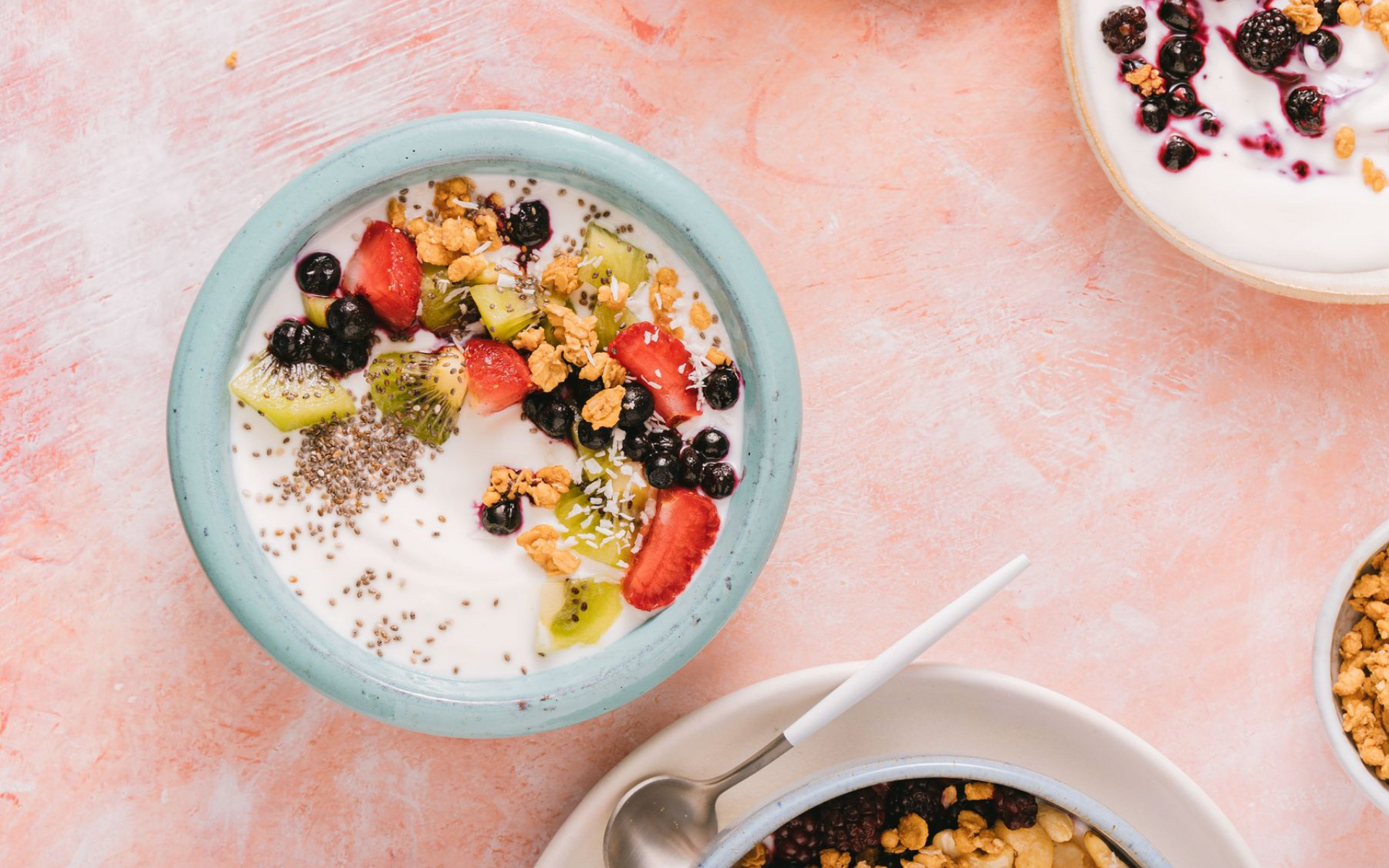
For dairy, this creates a brief: protein-forward small plates, cottage cheese and Greek yoghurt in savoury applications, cheese-led grazing boards, whey-enriched sauces and smaller premium cheese courses that satisfy without excessive portion size. Here, dairy’s advantage is not indulgence alone. It is nutrient density, flavour efficiency and culinary versatility.
“The next foodservice opportunity for dairy is not simply bigger portions. It is better architecture: smaller plates with more flavour, more protein and a clearer reason to exist.”
The sector that responds best will not just sell cheese into foodservice. It will sell performance, provenance and portion logic. That is where dairy can turn 2026’s menu trends into tangible growth.
SOURCE NOTE FOR PRODUCTION
- Unilever Food Solutions Future Menus 2026: four global trends as Borderless Cuisine, Street Food Couture, Diner Designed and Culinary Roots (Unilever Food Solutions press release, 2026). Note: ‘Modernised Comfort Food’ was a prior-edition trend and is not part of the 2026 set.
- AHDB GLP-1 dairy analysis, February 2026: around 4.1% of GB households using GLP-1 drugs.
- AHDB GLP-1 demand article: cows’ standard plain yoghurt +19.6%, fat-free yoghurt +12.9%, NIQ 12 w/e 24/01/2026.
More news and insight