PART 1 | IRISH DAIRY AT A CROSSROADS
Why Value Must Replace Volume
Listening to dairy farmer’s talk about their future. They are very clear about something that took me years to fully grasp: the model that built Irish dairy into a €6 billion export industry cannot be the model that sustains it.
Ireland's dairy sector enters 2026 at a moment of structural recalibration. Milk volumes have steadied. Policy constraints are tightening. Sustainability expectations grow more exacting each quarter. And yet, beneath the headlines about nitrates and emissions targets, something more fundamental is shifting - a dawning recognition that expansion is no longer necessarily the path to prosperity.
The Volume Trap
For two decades following quota abolition, Irish dairy operated on a simple thesis: more cows, more milk, more exports. The logic held. National milk output grew by over 60 percent. Processing capacity expanded. Export revenues climbed.
Then came 2023. Milk prices fell sharply. Input costs remained stubbornly high. Regulatory pressure intensified. The correction exposed what some had long suspected: volume-led growth carries diminishing returns and mounting risks.
The arithmetic is uncomfortable. Ireland produces roughly 9 billion litres of milk annually - a figure unlikely to grow significantly under current environmental constraints. If the industry cannot produce more, it must extract more value from what it produces. This is not a gradual adjustment. It is a fundamental reorientation of strategy.
"If the industry cannot produce more, it must extract more value from what it produces."
Where Value Lives
The encouraging news is that value opportunities exist across the sector - and Ireland's major processors are already pursuing them.
Consider whey. A generation ago, it was a by-product - something to manage rather than monetise. Today, advanced whey fractions command premium prices in performance nutrition, medical applications and infant formula. Tirlán's €126 million investment at Ballyragget signals the scale of ambition. Ireland is positioning itself as a global hub for dairy-based functional ingredients, competing not on volume but on specification, traceability and scientific credibility.
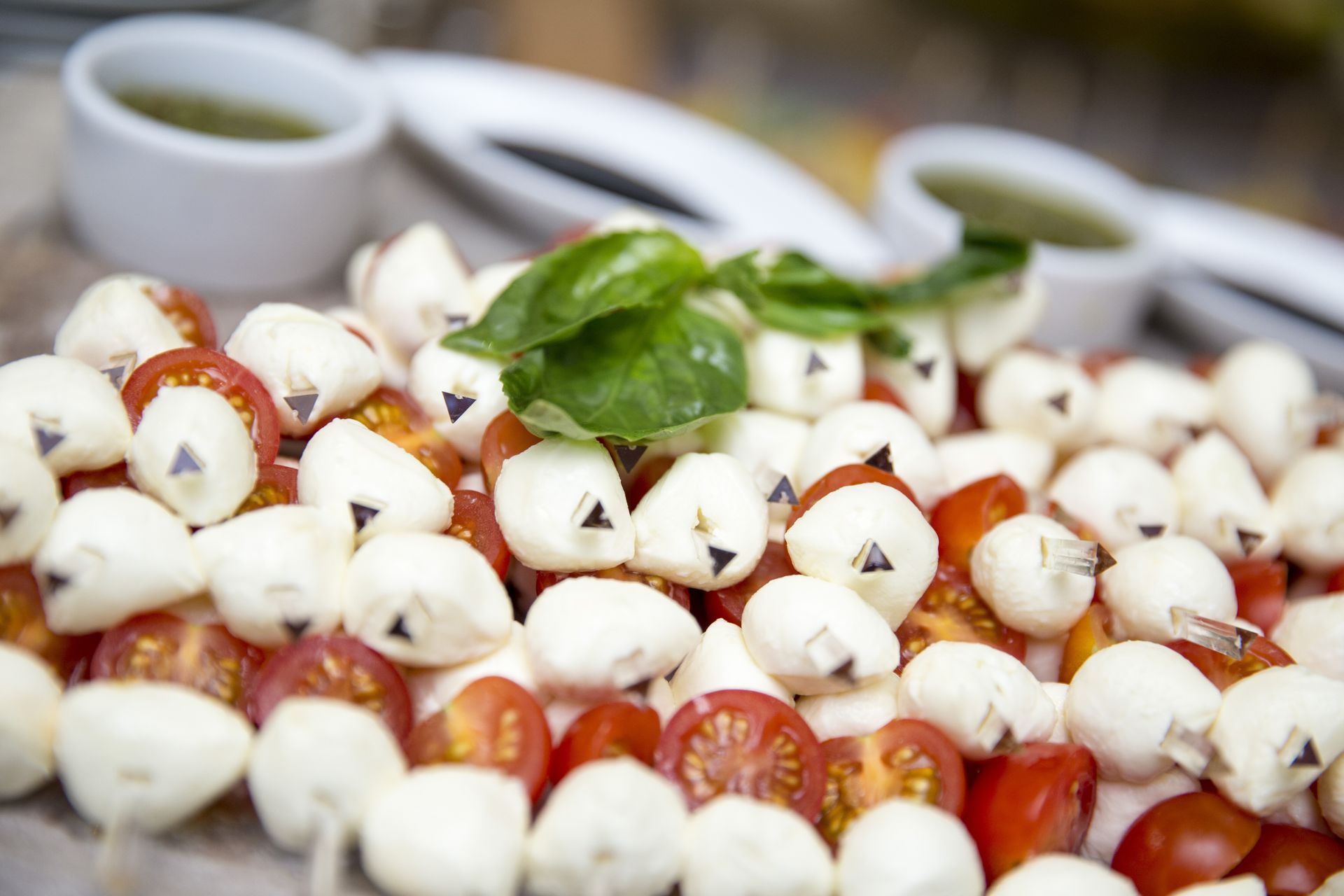
Consider cheese. New investments in mozzarella and short-maturity formats align Ireland with fast-growing European foodservice demand. Meanwhile, artisan producers - Cashel, Gubbeen, Coolea, Durrus and others - demonstrate how provenance and craft can command prices that commodity producers cannot dream of. These farmhouse cheesemakers are not peripheral to the industry's future; they are prototypes for it.
Consider butter. Irish grass-fed butter already enjoys strong brand recognition in premium retail. The opportunity now is to extend that reputation into patisserie, confectionery and high-end foodservice - markets where quality and consistency matter more than price.
The Sustainability Pivot
No honest assessment of Irish dairy can sidestep the environmental question. The sector faces a 25 percent emissions reduction target by 2030. The nitrates derogation - which allows higher stocking rates - remains under political and regulatory pressure. Water quality concerns are real and documented.
These constraints will reshape production. Some farms will exit. Herd sizes will stabilise or decline. The direction of travel is clear, and the industry must adapt rather than resist.
But here is the counterpoint that receives too little attention: sustainability performance is becoming a commercial asset, not merely a compliance burden. Retailers across Europe and North America face mounting pressure to demonstrate Scope 3 emissions reductions throughout their supply chains. They need suppliers who can verify low-carbon credentials.
Ireland, with its grass-based system, established verification frameworks and favourable climate, is better positioned than almost any competitor to supply traceable, low-carbon dairy. Origin Green has laid foundations that could become Ireland's most powerful differentiator - if the industry invests in making sustainability claims bulletproof and commercially compelling.
What Must Happen
The strategic logic is clear. Execution is harder. Based on conversations across the sector - with farmers, processors, exporters and researchers - several imperatives emerge.
First, investment must follow value, not volume. Capital allocation should prioritise advanced ingredients, speciality cheese, premium butter and clinical nutrition over capacity expansion. Every major investment decision should be tested against the question: does this move us up the value curve?
Second, sustainability must become proof, not promise. Generic claims about grass-fed systems and green landscapes will not command premium pricing. The industry needs independently verified, buyer-specific sustainability data that can underpin commercial relationships and justify price premiums.
Third, the artisan sector deserves strategic support. Farmhouse cheesemakers amplify Ireland's reputation, anchor food tourism and demonstrate what premiumisation looks like in practice. A coordinated national effort to expand their reach would benefit the entire dairy brand.
Fourth, export strategy must diversify and deepen. The UK and EU remain core markets, but growth will increasingly come from North American premiumisation, Asian demand for specialised nutrition and emerging African markets for affordable dairy. Different products for different markets, with clear segmentation.
A Different Kind of Leadership
The decade ahead demands leadership of a different character than the expansion years required. Growth was relatively straightforward - build capacity, increase output, find buyers. Value creation is harder. It requires discipline, coordination, patience and a willingness to forgo short-term volume for long-term margin.
The farmer’s we’ve spoken to aren’t planning to expand their herds. They’re thinking about soil health, about animal welfare credentials, about whether his milk might qualify for a premium processing stream. They are thinking, in other words, about value.
Irish dairy has the foundations to succeed in this new environment: world-class processors, a globally recognised grass-based system, exceptional artisan producers, strong scientific and regulatory infrastructure. The task now is to align these assets around a value-led strategy - and to ensure that environmental progress becomes a source of competitive advantage rather than a constraint.
This is the first in a series of articles examining the strategic choices facing Irish dairy. In the coming weeks, we will explore the sustainability challenge in depth, the transformation of whey from by-product to premium asset, and the strategic importance of Ireland's artisan cheese sector.
This is Part 1 of a four-part series on the future of Irish dairy.
Part 2: The Sustainability Reckoning.
Part 3: From By-Product to Billion-Euro Asset.
Part 4: The Artisan Advantage.
Steve Moncrieff
Managing Director, Dairy Connect
More news and insight