Cheese & Dairy: A Year That Redefined the Curve
Dairy Mail | Year-End Outlook 2025
2025 arrived weighted with inflationary drag, volatile input costs and tightening sustainability regulation. It leaves behind something unexpected: a sector that has genuinely begun to shift from cost-defence to strategic experimentation. Milk price volatility eased in the second half, freeing capital for investment. More importantly, the businesses that thrived were those that stopped waiting for conditions to improve and instead redirected their energy—data, supply chain collaboration, premiumisation, innovation into shaping what comes next.
The Numbers Behind the Shift
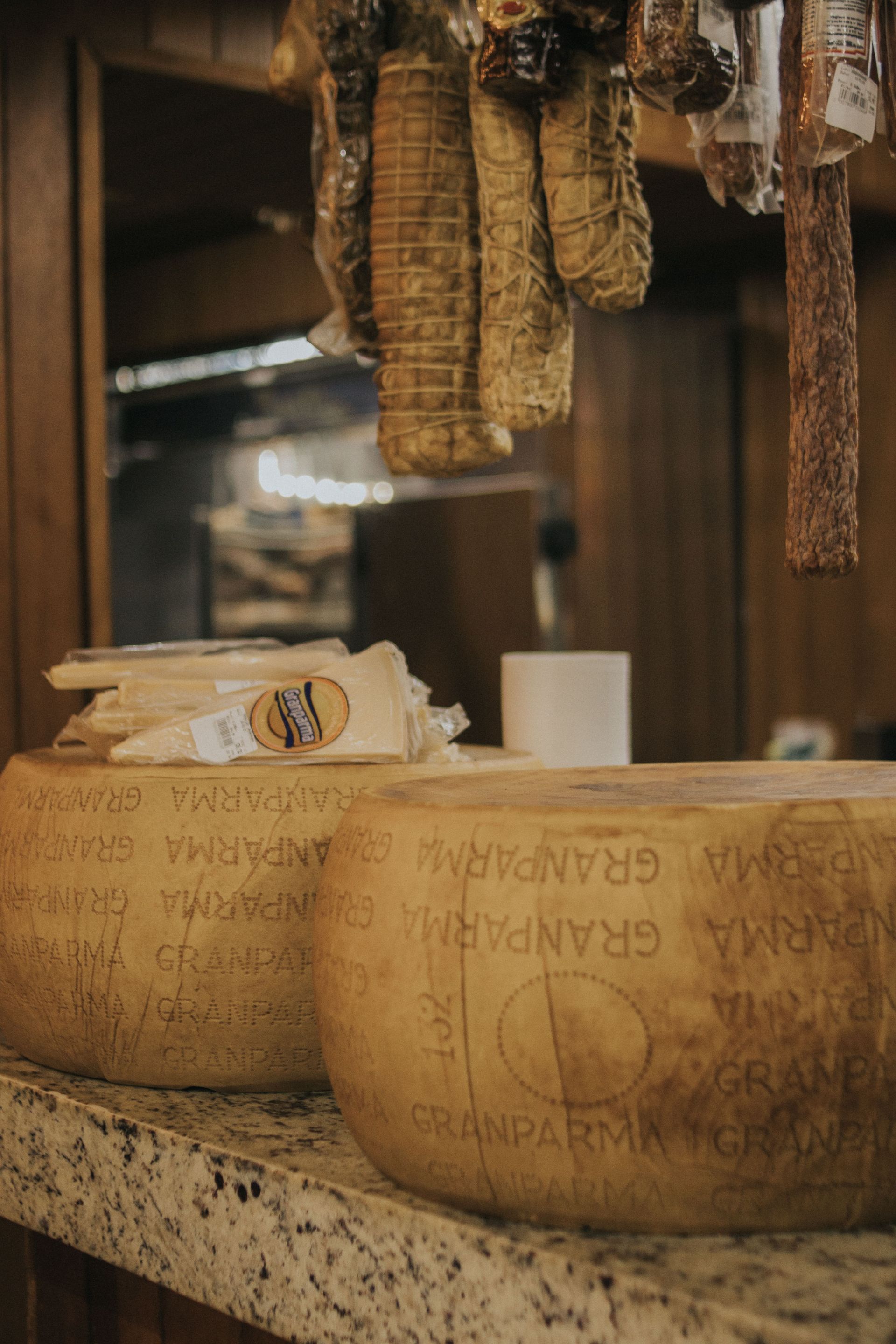
Premiumisation has accelerated in ways that surprised even optimistic forecasters. Consumers trading up for artisan cheese, specialty dairy and provenance-led products persisted through household cost constraints. The decisive factor wasn't product excellence alone—it was brand building. Producers who invested in storytelling, terroir positioning and retail partnership expansion moved shelf space and margin. Those who relied solely on quality without narrative stalled. Retailers responded by actively expanding specialty ranges and initiating category partnerships that brought genuine innovation to shelves rather than incremental line extensions.
Innovation Turned Constraint Into Opportunity
2025 saw a significant wave of reformulation including salt reduction, nutritional repositioning, HFSS compliance, but the standout performers were those who reframed these as competitive advantages. British producers successfully shifted high-protein formulations from sports nutrition into mainstream family consumption. Irish manufacturers deepened their leadership in whey processing, creating added value streams rather than commodity output. The lesson proved durable: functional benefit and indulgence are not opposing forces. The sector that understood this moved faster and captured margin.
Sustainability: Structural Change, Not Aspiration
Scope 3 reporting deadlines sharpened supply chain focus. Processors formalised long-term milk supply agreements resulting in a concrete step toward farmer stability and shared investment rather than year-on-year renegotiation. Regenerative agriculture trials expanded across the UK and Ireland, with early results informing 2026 commitments. Packaging remains the hardest problem. Recyclable film innovations progressed, and unnecessary outer packaging retreated, but the broader shift from plastic dependency will require longer timelines and material science breakthroughs still in development. Progress has been measured. The direction is now non-negotiable.
Foodservice: The Quietly Dynamic Channel
Hospitality recovered vibrancy this year, and dairy followed. Menu innovation surged as chefs prioritised British and Irish dairy - grilling cheeses, cultured butters, indulgent desserts, creating premium positioning in foodservice that many producers had ceded to retail focus. With tourism rebounding and employment stabilising, this channel diversification mattered. Several mid-sized producers reported genuinely balanced growth across retail, wholesale and foodservice for the first time since 2019. That distribution pattern, if sustained, substantially improves resilience heading into 2026.
Export Recovery: Niche Strength Over Volume
Ireland strengthened penetration in the Middle East and North America by emphasising reliability, sustainability credentials and sophisticated whey products. UK speciality cheese exporters navigated trade friction by targeting high-margin niches such as Scandinavia, Hong Kong, UAE, where British territorial cheese heritage and modern consistency command premium positioning. The resilience of these exports, despite headwinds, suggests that heritage plus consistency remains a defensible market position where volume-based competition is untenable.
The Collaboration Shift
2025 will be remembered as the year when strategic collaboration moved from industry aspiration to operational reality. Boundaries between producers, retailers, innovators and allied services became more porous. Data partnerships materialised into category-level insights. Cross-industry initiatives began steering unified strategy rather than fragmented individual efforts. The pattern is clear: the most significant launches, awards and market expansion this year emerged from businesses working in genuine partnership rather than in isolation. That is no accident.
Looking Forward
Early 2026 will see the launch of Dairy Connect Ireland, taking place in April. The event is poised to become a focal point for producers, innovators, academics and policymakers — an environment where commercial opportunity meets collaborative intent. With judging, networking and a renewed emphasis on sustainability and export readiness, Dairy Connect Ireland will offer a timely platform for charting the next phase of growth. It represents not just another date in the calendar or awards programme, but an opportunity for the sector to collaborate and move with greater confidence and collective intelligence into the year ahead.
In the wider market challenges remain - regulatory complexity, talent shortages, environmental pressures, material constraints. But the sector ends 2025 with measured confidence rather than defensive caution. It has weathered turbulence without losing character. There is renewed respect for the craft, science and practical ingenuity that sits behind dairy production. And there is growing clarity that progress depends on both individual performance and collective momentum.
The festive season offers a moment to pause and acknowledge what has been built this year. From farmhouse producers to innovation-led manufacturers, from retailers expanding specialty ranges to chefs rebuilding foodservice, 2025 has demonstrated why dairy holds such cultural and economic importance across the UK and Ireland.
2026 will test whether this momentum holds. The opportunity is real. So are the challenges. But this year has reminded us that dairy is a sector shaped by people with commitment, curiosity and genuine optimism about what can be built next.
Merry Christmas from the Dairy Mail—and thank you to everyone shaping the future of cheese and dairy.
More news and insight