FORTY-EIGHT HOURS THAT HELPS MAP THE CATEGORY
THE ICDA AWARDS & EXPO RETURNS ON 24–25 JUNE. A READING OF WHY THIS YEAR’S TWO-DAY WINDOW MATTERS MORE THAN THE CALENDAR SUGGESTS.
Four and a half thousand dairy products will pass under judges’ eyes in a single day at the ICDA Awards on 24 June. The figure is worth pausing on. It represents the largest concentrated act of category assessment the UK industry stages in any given year, and the scale alone says something about where dairy now sits commercially. The sector is under continuous reformulation, with NPD pipelines that no longer respect quiet quarters.
The Awards form the opening act of a 48-hour window at the ICDA EXPO on 24–25 June that pulls together more of the trade in one place than any other moment in the calendar. Trophy winners are announced on the second day. What happens between those two points is, in effect, an audit of where the category currently lives.
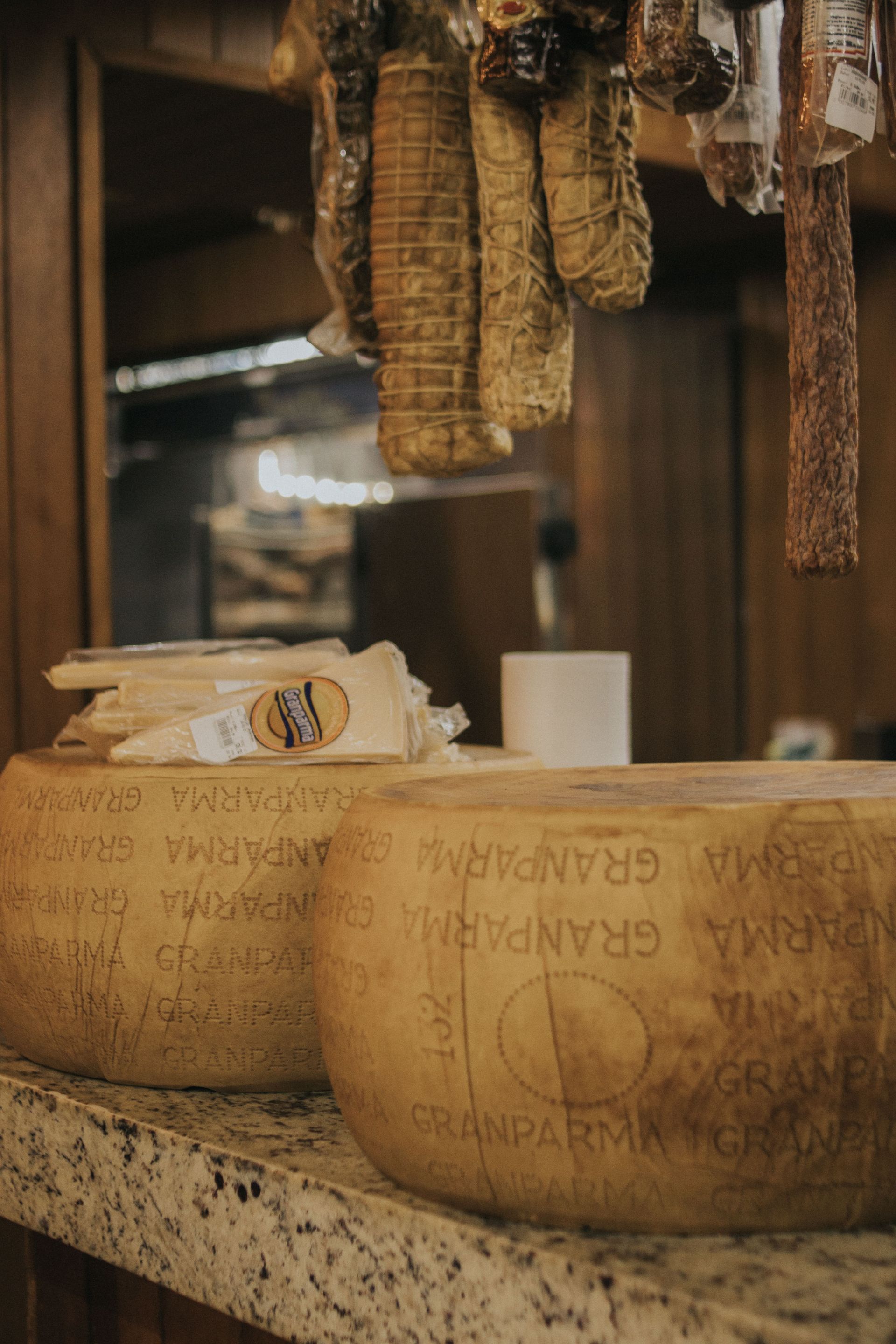
Look at the components and a pattern emerges. The Artisan Cheese Zone, sponsored by Tesco, anchors one end of the floor. At the other, suppliers showing machinery and packaging alongside robotic processing solutions display the operating equipment of a sector that has spent two difficult years tightening cost-to-make. In between sits a foodservice cooking demo stage running live menu ideas. Alongside it, the Italian Trade Agency hosts a presentation pairing Italian cheeses with wine, led by Charlie Turnbull. Each element answers a different commercial question. Together they describe a single industry conversation.
That conversation has moved on from whether dairy can hold its share. The retail data through 2025 settled that argument. Kantar continued to record value growth across cheese and yoghurt through the year, with milk-based drinks adding incremental volume even as some segments softened. The open question is now about which parts of the category capture the next decade of margin, and which parts are being silently rebased. The EXPO assembles, in physical form, the firms with capital at stake in that answer.
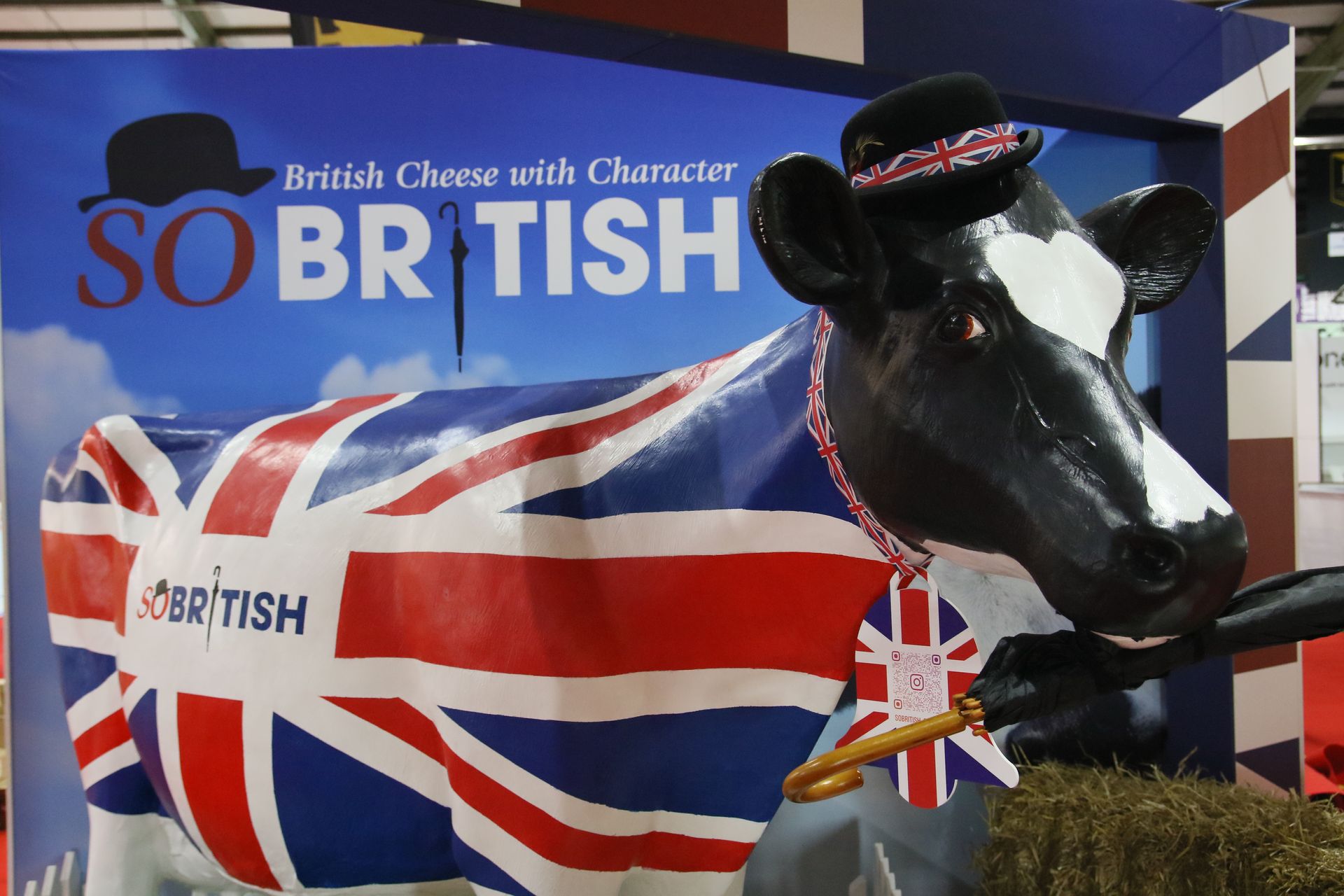
The Tesco-sponsored Artisan Cheese Zone is a useful tell. Retailers have shifted own-label investment toward speciality and provenance, treating cheese as a category where premium own-label can outperform branded mid-tier. A grocer of Tesco’s scale putting its name to artisan space at the trade’s central event signals continued conviction in that strategy. Producers building around the assumption that mid-market commodity will carry them through a hard inflation cycle should treat that signal with care.
The Italian session matters for the same reason in reverse. UK consumers spent through 2024 and 2025 reaching for European speciality formats at rates that outpaced traditional territorial cheeses. Burrata moved from delicatessen counters into mainstream grocery sections over the period, with taleggio and fresh mozzarella following the same path at scale across the major multiples. Trade body involvement at the EXPO is a recognition that the inflow continues. Charlie Turnbull walking buyers through Italian provenance pairings, alongside wine, is a buyer-education moment dressed as a tasting. The economics of category growth follow that kind of education more closely than producers often acknowledge.
The foodservice demo stage points somewhere different again. UK eating-out occasions did not return to pre-pandemic volume; they returned to a different shape, with operators running tighter menus and higher-velocity dishes. Live cooking demonstrations using dairy ingredients respond to that reality. Foodservice has become the channel where dairy proves its place on the plate as well as in the basket, and a stage devoted to showing chefs and procurement teams what a cheese or a cream can do in service is the most direct route to category defence.
Underpinning all of it sits the supplier presence. The equipment on display matters because the UK processing base has run hard against capacity and labour constraints since 2023, and the firms that compete on a five-year view will be those that have made the capex calls now. The EXPO floor is where those decisions get made, or at least where the conversations that lead to them get started.
The format of the event reflects what visitors come for. A street-food style lunch on the Wednesday, sponsored by Fayrefield Foods, builds on a 2025 lunch session that became, by general account, one of the more useful networking hours in the calendar. Tickets are on sale at £30. The detail is small but worth noticing. The industry that turns up for a structured lunch is the industry that wants to do business in the room next door for the rest of the afternoon.
Trophy night on 25 June will produce its winners and its photo opportunities. For most attendees, the real value of the two days will sit in the time around the awards: the supplier walk-throughs and the post-judging discussions with category managers that compress months of separate meetings into a single visit.
For producers, processors, buyers and investors, the 24–25 June window is the moment in 2026 when most of the relevant rooms are in one building. Working out which conversations to be in is itself the strategic question. The EXPO answers it more comprehensively than anything else the calendar offers.
More news and insight